Grizzly Creek Redwoods State Park is a better fit for a focused redwood-and-river outing than for a trip built around a large RV, extensive trails, or year-round campground access. California State Parks describes the campground as summer-only and lists a maximum trailer and camper/motorhome length of 24 feet. Those two details shape the decision before a route or campsite is chosen. The park’s official page also describes a small, inland destination on the Van Duzen River, rather than a stop immediately on the coast.
Summer-only camping makes timing the first decision
The park’s official page lists the campground as open during summer only, while the day-use area is open from 8 a.m. to sunset. Those are distinct planning facts: a visitor considering an overnight stay should check the current camping calendar, and someone making a day trip should plan around the posted daylight schedule. The page’s reservation section showed no upcoming camping or lodging reservations at the time represented in the available official-site information, so that snapshot should not be treated as a permanent closure or as evidence of availability. Confirm current dates and reservation status before setting travel plans.
State Parks lists vehicle day-use admission at $8, with a warning that special rates may apply during peak periods, holidays, and weekends and that prices can change. Treat that amount as a published reference rather than a guaranteed current total. The park accepts several state passes, including the California Explorer Vehicle Day Use Annual Pass and Golden Poppy Vehicle Day Use Annual Pass; check the official page for the full current list and eligibility details.
A compact park rewards a deliberately modest itinerary
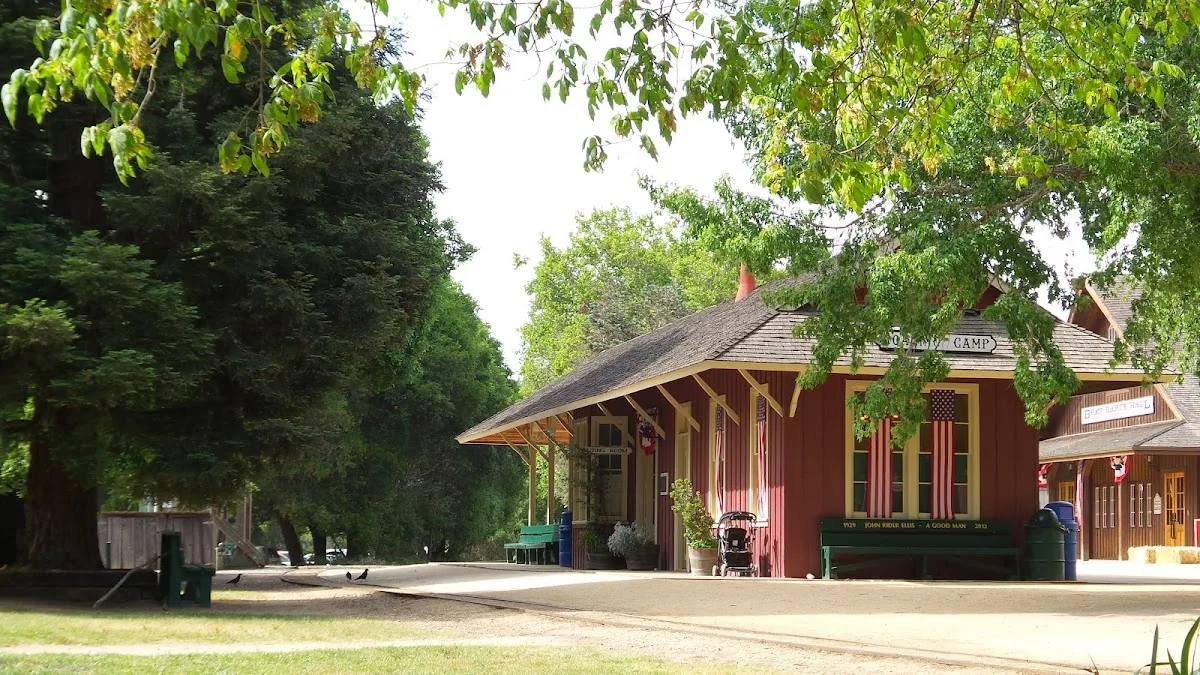
The official description calls Grizzly Creek less than one square mile, with about five miles of trails. That scale is useful for visitors who want a short, nature-centered stay rather than a destination requiring multiple days of route planning inside a vast park. State Parks highlights redwood forest and the Van Duzen River, along with hiking, fishing, boating, picnic areas, and interpretive features. These are listed activities and facilities, not a promise that every activity or feature will suit every date or condition. Check current notices before relying on a particular access point.
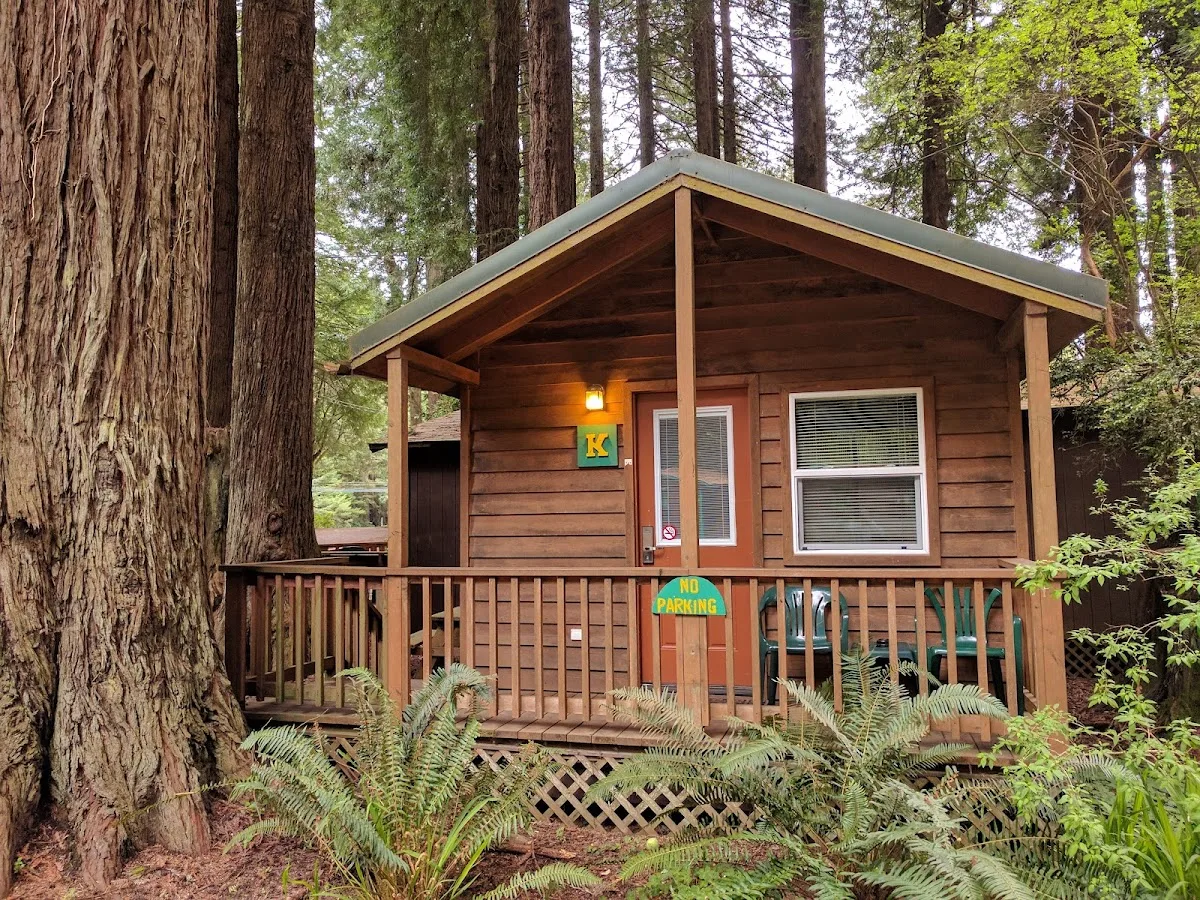
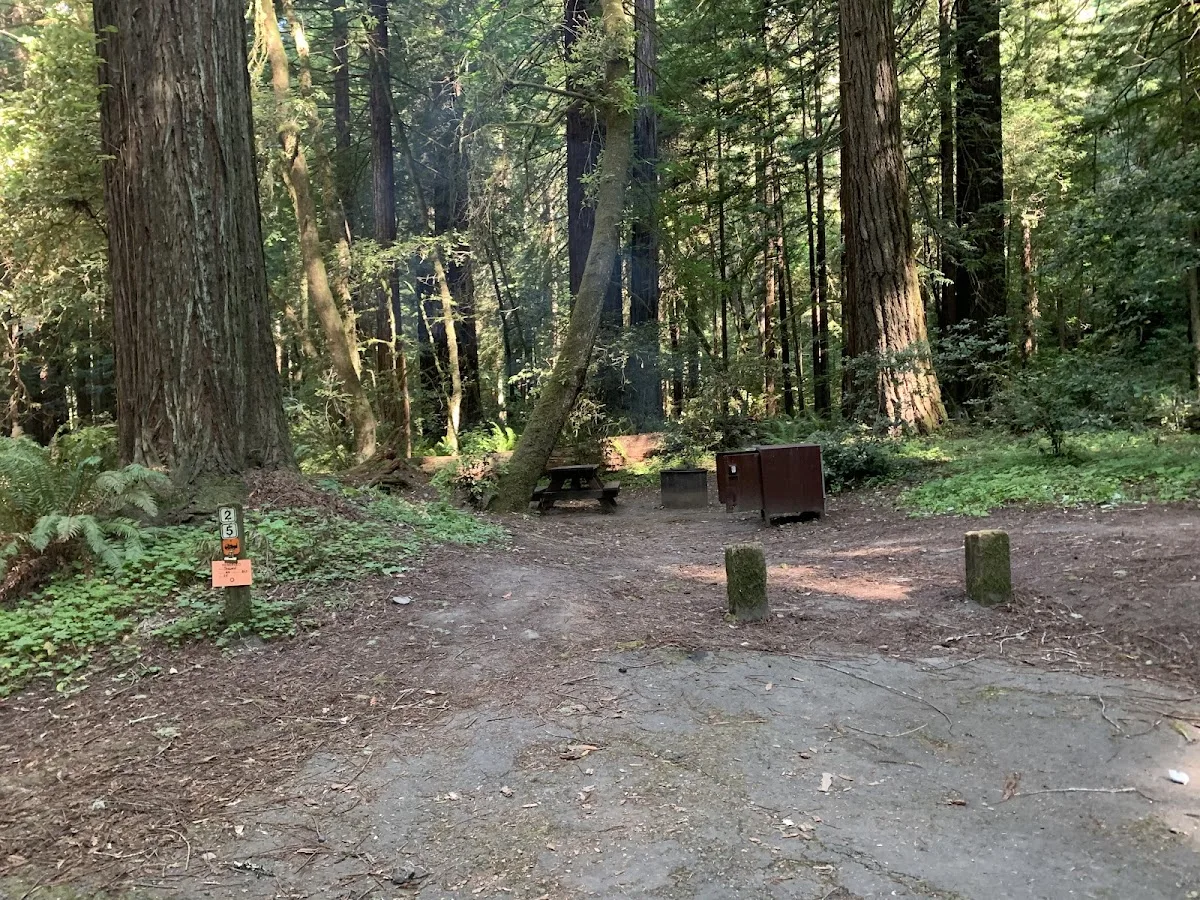
The park’s text describes a campground loop with 28 sites and says some sites border the river. It also mentions a paved loop where children can ride bikes. These details help families picture the setting, but they do not establish a particular campsite’s view, surface, or availability. If the river is central to the trip, ask which sites, if any, are currently near it and whether access conditions have changed. Likewise, verify site dimensions and the reservation description rather than assuming all 28 spaces have the same layout.
Keep the vehicle and dog rules in view
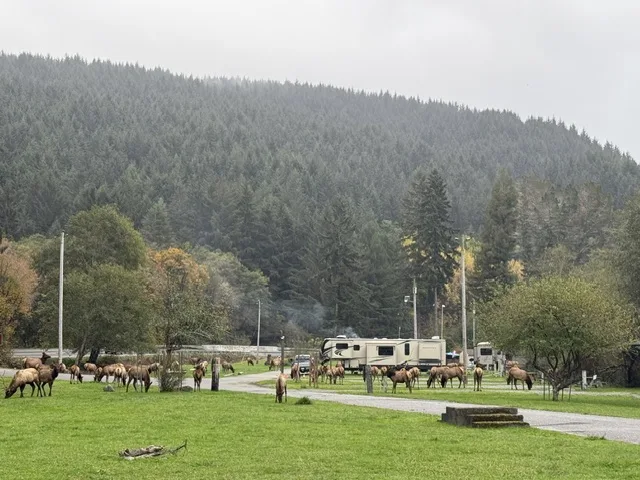
For campers bringing a trailer, camper, or motorhome, the official maximum listed length is 24 feet. Measure the complete vehicle or rig and confirm the limit directly before reserving; the published figure is a maximum, not an assurance that a specific site will accommodate every configuration. The local listing shows parking as an amenity, but it does not specify the capacity or arrangement of individual spaces.
Dog access is another practical constraint. State Parks says dogs are allowed except on trails, where dogs are not permitted; service animals are excepted. A visitor traveling with a pet should check the current park rules for where dogs may go and plan trail time accordingly. This is particularly important for a trip whose main goal is hiking, since a dog-friendly day at the park does not mean trail access with a dog.
Route details matter more than the city label
The provided place record gives the address as 16949 CA-36, Carlotta, CA 95528, United States. The official park page describes the park as about 30 miles inland from the North Coast and gives a route using Highway 101 and Highway 36; its directions state that the park is 20 miles southeast of Eureka on Highway 101, then 17 miles east on Highway 36. The same page calls the park 15 miles east of Highway 101. Because those distance descriptions are not identical, use a current map and the official directions for the final approach instead of relying on a broad city label or mileage estimate.
The park’s old-growth redwood grove is described as four miles down the road from the visitor center. That separation matters: do not assume the grove is immediately beside the campground or that the distance is a short walk. Check the park map and current road conditions to decide whether to drive between areas and how to fit the grove into the day.
Use official details to settle the final fit
The listing’s public rating is 4.5 from 274 reviewers, a broad snapshot of visitor feedback rather than a guarantee about a particular site, season, or facility. For trip-specific information, California State Parks lists +1 707-777-3683 and maintains the park page at parks.ca.gov/grizzlycreek. Check the current camping season, reservation status, fees, dog access, vehicle limits, and any posted restrictions together. Grizzly Creek is most compelling for a traveler whose dates fit summer camping, whose rig is within the listed limit, and whose plans favor a compact redwood setting over a long trail network or coastal-front location.