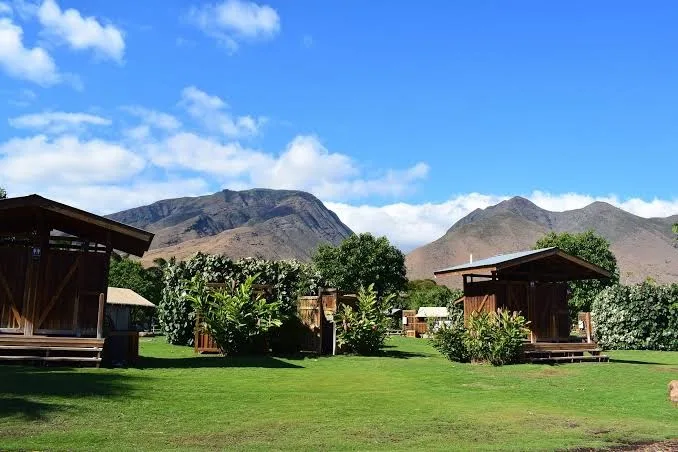
An overnight at Nāmakanipaio is easiest to plan when you treat it as a high-elevation stop, not simply a place to sleep between island activities. The National Park Service places the campground 31.5 miles south of Hilo on Highway 11 at 4,000 feet. That setting affects how you arrange the day, what you pack for night, and whether a tent site or cabin better suits your party. The NPS describes the campground as a large, open grassy area among tall eucalyptus and ʻōhiʻa trees. See Nāmakanipaio Campground and Cabins for the Camp Trail place details.
Use the elevation to shape your itinerary
The 31.5-mile distance from Hilo and the 4,000-foot elevation are useful anchors when deciding where this night belongs in a longer trip. Rather than estimating the outing from mileage alone, map the day’s actual destinations and allow time for the drive, stops, and arrival tasks. If you plan to visit places elsewhere in Hawaiʻi Volcanoes National Park, consider whether you want to arrive at camp before dark or return after an outing; the campground’s position on Highway 11 makes it a distinct stop south of Hilo, not a Hilo-area urban campsite.
The landscape also suggests a different experience from a tightly developed campground. The NPS description of open grass and tall trees gives a concrete picture of the setting, but does not by itself tell you what any individual site will look or feel like on arrival. Build flexibility into the schedule rather than assuming a particular view or secluded spot. The key planning choice is the role of this overnight: a base for park time, a pause on a longer route, or the destination for a slower evening.
Pack for a night that may be much colder than the day
The NPS page describes conditions as potentially cool and damp year-round. Its stated ranges are daytime temperatures in the 60s to 70s Fahrenheit and nighttime temperatures from the 30s to the low 50s. Those ranges make the overnight low more important than a pleasant afternoon forecast: clothing comfortable while walking during the day may not be warm enough when you are sitting still after sunset.
Think of warmth and rain protection as separate needs. Layers let you adjust as the temperature changes; a rainfly helps keep a tent’s sleeping area protected when damp weather arrives. The NPS specifically recommends warm clothing for cool days and evenings and a tent with a good rainfly. Pack those items where they are accessible at camp, rather than burying them under gear you will only need later. A group using a cabin may avoid setting up a tent, but should still plan clothing for the same outdoor conditions.
Choose a shelter by sleeping layout, not label
For tent campers, the NPS says a site can accommodate up to four people when a party of more than two brings another tent. That makes the group’s sleeping arrangement part of the site decision: count the people, determine whether a second tent is needed, and consider how much room the tents and shared gear will occupy. A headcount alone does not describe whether the group will be comfortable with its planned setup.
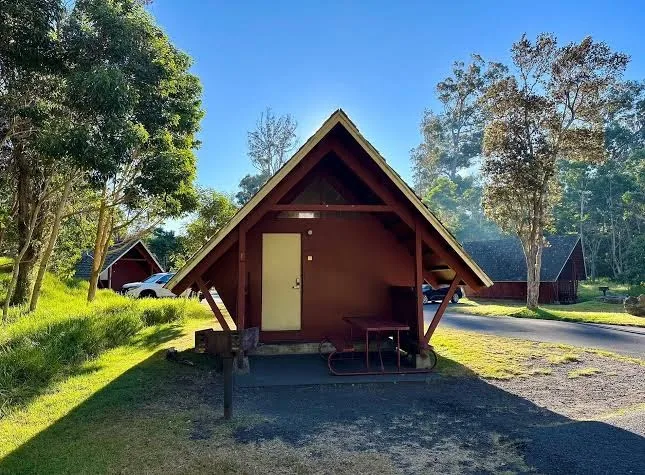
The page describes rustic cabins that sleep four in one double bed and two bunk-style twin beds, and states that reservations are required. This layout may suit a group whose members can use those beds as arranged; it is not the same as four separate single beds. Compare the stated sleeping configuration with your party’s needs before choosing. The cabins are also described as having a picnic table, an outdoor barbecue grill, and an outdoor firepit, while the campground listing describes restrooms, water, picnic tables, and barbecue pits for the campground. These details help distinguish a cabin setup from a tent stay without assuming every facility or item works as a substitute for your own preferred equipment.
Fit facilities and rules into the plan
Restrooms and water can reduce how much you need to carry for basic campsite use, while picnic tables and barbecue pits shape where meals can happen. The NPS says campfires are permitted in barbecue pits only, and lists a maximum stay of seven days. It also notes that park entrance fees apply in addition to the campsite fee. Those rules affect meal planning, the length of a stay, and the trip budget; do not plan around an open ground fire or treat the campsite charge as the only park cost.
The NPS campground page is marked last updated November 15, 2023, so use its dated details as a planning starting point rather than assuming every rate or operating detail is current. Before finalizing dates or costs, check the current campground information and reservation instructions, especially for cabin availability and fees. With the route, shelter layout, cooler night, and site rules considered together, you can choose an overnight plan that suits the way your group actually travels.