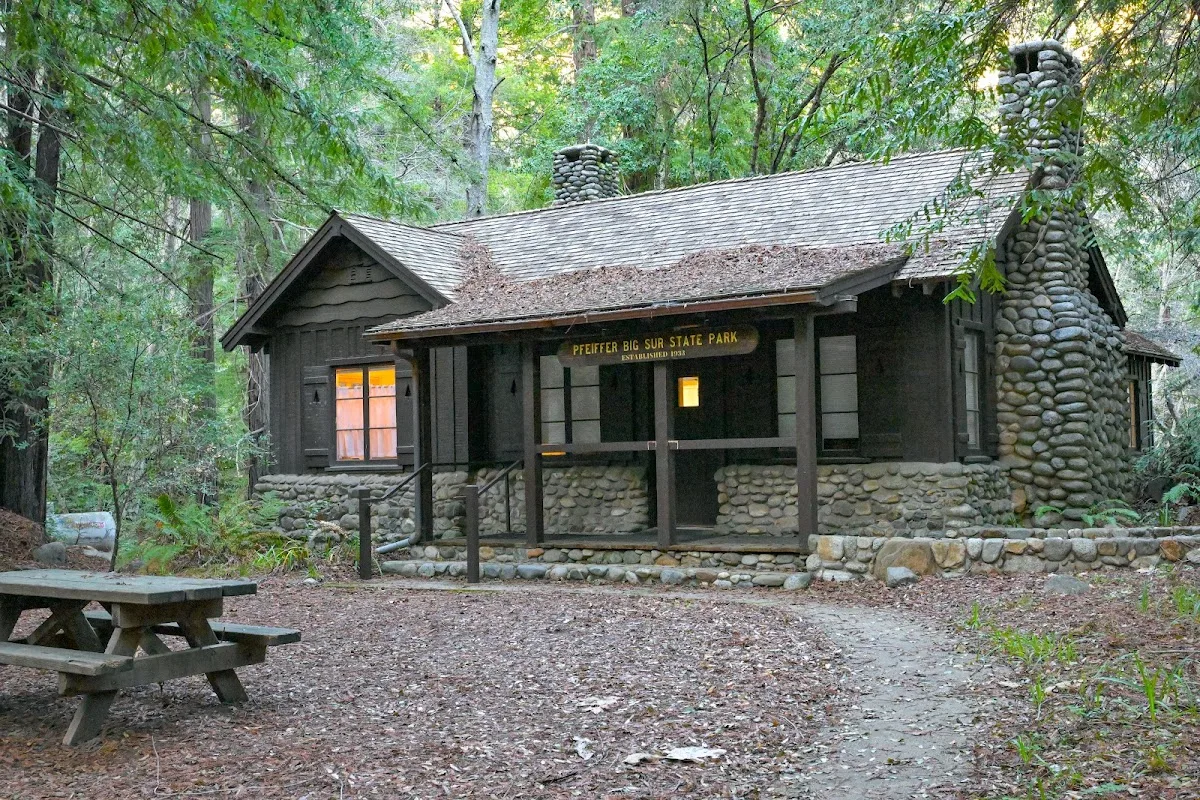
Pfeiffer Big Sur State Park Main Camp is the kind of Big Sur campground that rewards preparation. It sits on or near the Big Sur River and includes 189 RV and tent sites, so your trip planning starts with logistics: how many vehicles you’re bringing, what time you can roll in, and what campground rules shape the vibe at night. If you want the quick reality check, start with two facts: reviews average 5.0 from 9 reviewers, and the official park site calls it “extremely popular,” with reservations filling six months in advance.
For travelers searching this area by campground name and fit, here’s a practical, rule-forward stay guide for the Main Camp portion of Pfeiffer Big Sur State Park.
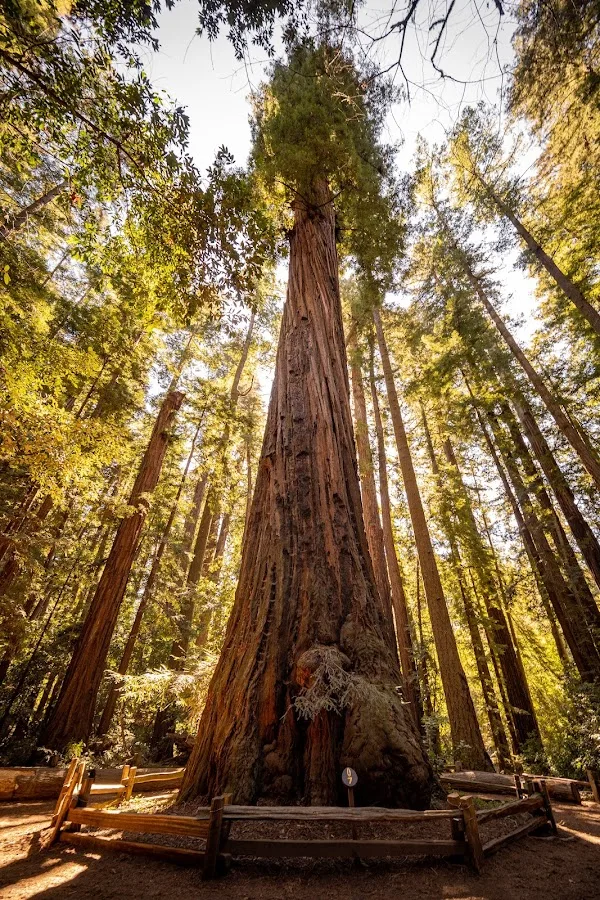
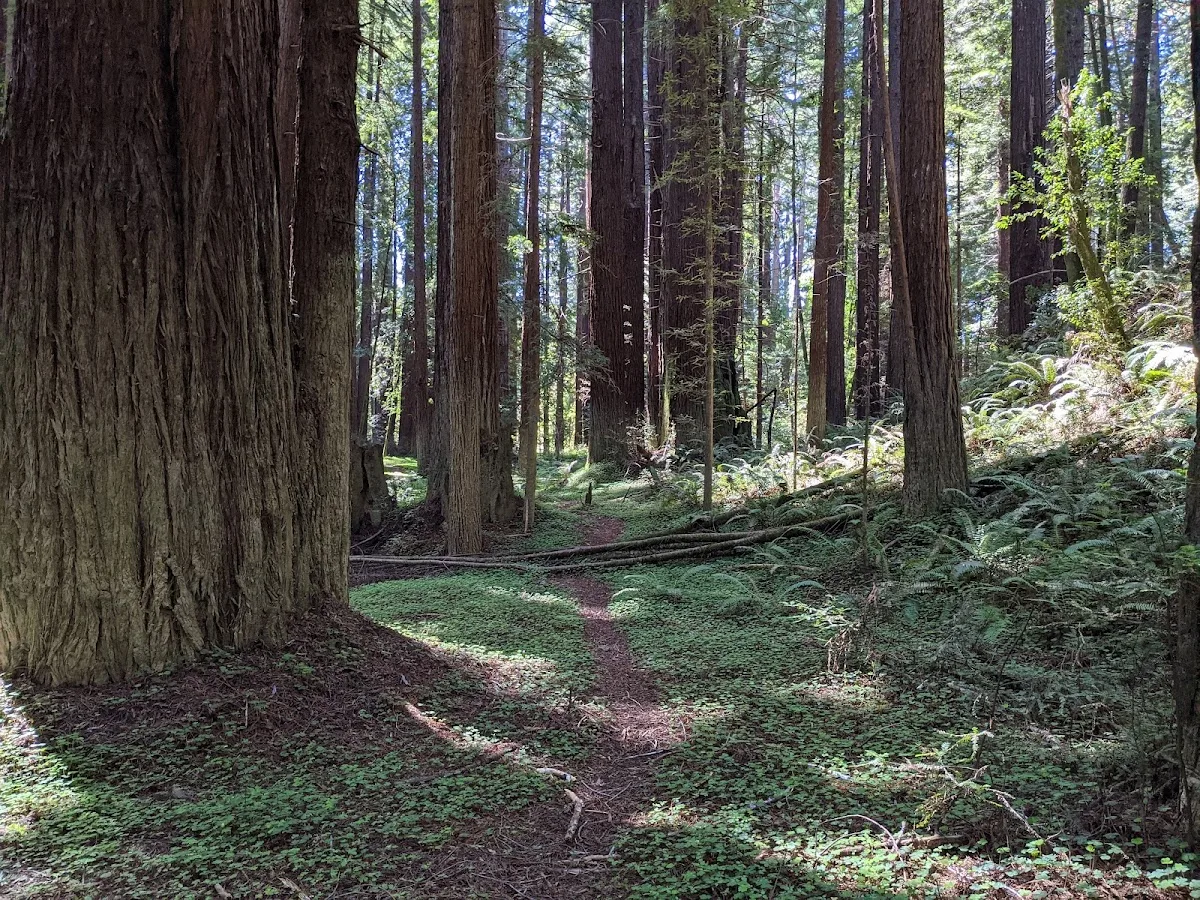
Start with the location feel: Big Sur River campsites
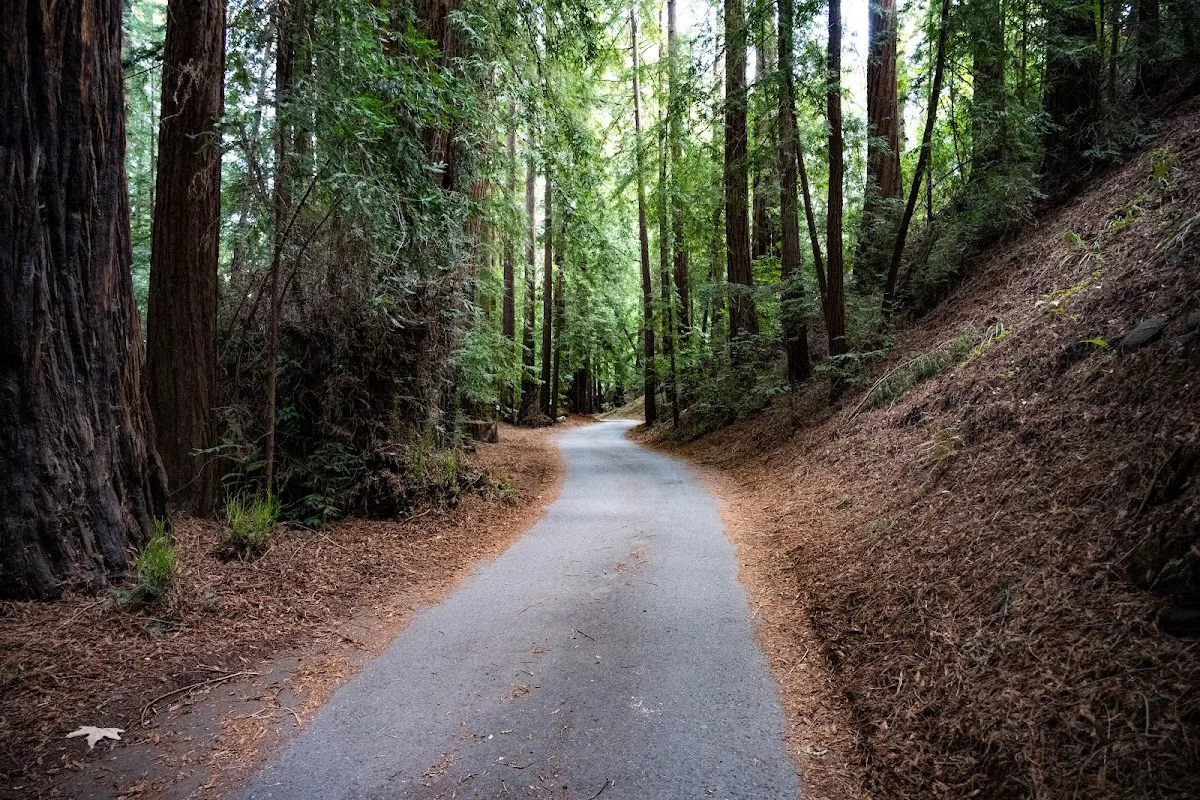
Main Camp sites are described as being “on or near the Big Sur River,” which is part of the reason the campground is so in-demand. River-adjacent camping often means mornings and evenings feel distinct, but it also means your setup needs to be tidy and contained—especially because the park emphasizes that vehicles must stay within the campsite parking boundary (no overflow parking).
Vehicle and capacity rules that affect your whole arrival plan
Before you pick a site, check your group size and what you’ll drive. The park states:
- Maximum 2 vehicles per site (including trailers and towed vehicles)
- All vehicles must fit within the campsite parking boundary (no overflow parking)
- Maximum 6 people per campsite
It’s also important that every incoming camper checks in at the entrance kiosk, and that camper vehicles display a vehicle tag (proof of registration) in the windshield.
Quiet hours and generator hours: plan your “camp soundtrack”
The park’s noise rules are straightforward: quiet hours run 10 p.m. to 6 a.m. and generator hours are 10 a.m. to 8 p.m. It also notes that amplified music isn’t allowed and radio/other device noise must not be audible beyond your immediate campsite. If your group relies on a generator for comfort, confirm you can run it within the posted window.
Pets, trails, and the leash requirement
If you’re traveling with dogs, this is a key decision point. The park says dogs must be on a leash at all times, and it also specifies no dogs on trails. In practice, that means you’ll want to map which parts of your stay are “on-leash but not on trails,” and plan exercise accordingly (for example, where you can walk without entering trail areas).
Booking timing and reservation access
Pfeiffer Big Sur State Park Main Camp is described as extremely popular, with reservations filling six months in advance, even in winter. The official camping page also says online reservations are available 24 hours a day, seven days a week at ReserveCalifornia, and it lists a toll-free number for telephone reservations.
One more practical constraint: the park notes that campsites cannot be reserved online or by phone within a 48-hour arrival window. So if you’re booking close to your travel date, plan for the possibility that the usual channel won’t work.
Check-in and check-out times
For schedule planning, the page lists check-in at 2 p.m. and check-out at 12 noon. That can matter if you’re coordinating with other legs of a Big Sur day—especially if you’re aiming to be on the road for limited daylight.
Fees, second vehicles, and what “no hookups” means
The park’s fee structure includes a standard site rate and a premium riverfront rate (the camping page lists standard $50/night and premium riverfront $60/night). It also states that a second vehicle is $10/night, and towed vehicles or trailers are counted as a vehicle and included in your camping fee. If your setup needs more room, remember there is no overflow parking and all equipment must fit within the parking boundary.
Finally, the park states that no hookups are provided at any site. Fresh water, hot showers, and toilets are located throughout the campground, but if you rely on electrical hookups, you’ll want to adjust expectations before arrival.
For readers comparing options, the strongest approach is simple: align your vehicle count and group size with the posted limits, reserve as early as possible because demand is high, and build your daily schedule around check-in time plus the quiet and generator hours. Official details are best confirmed directly on the park’s camping page.