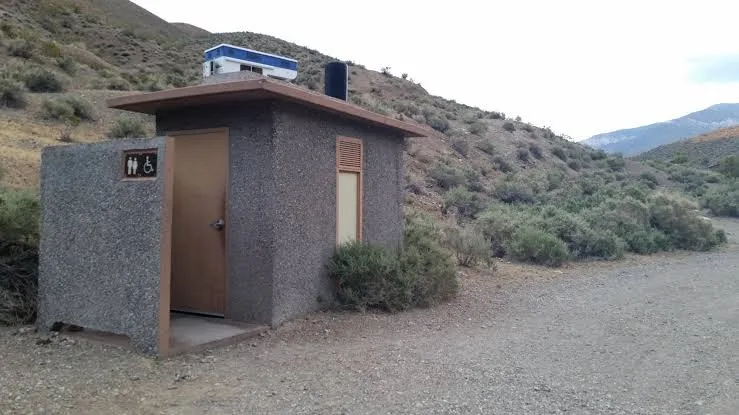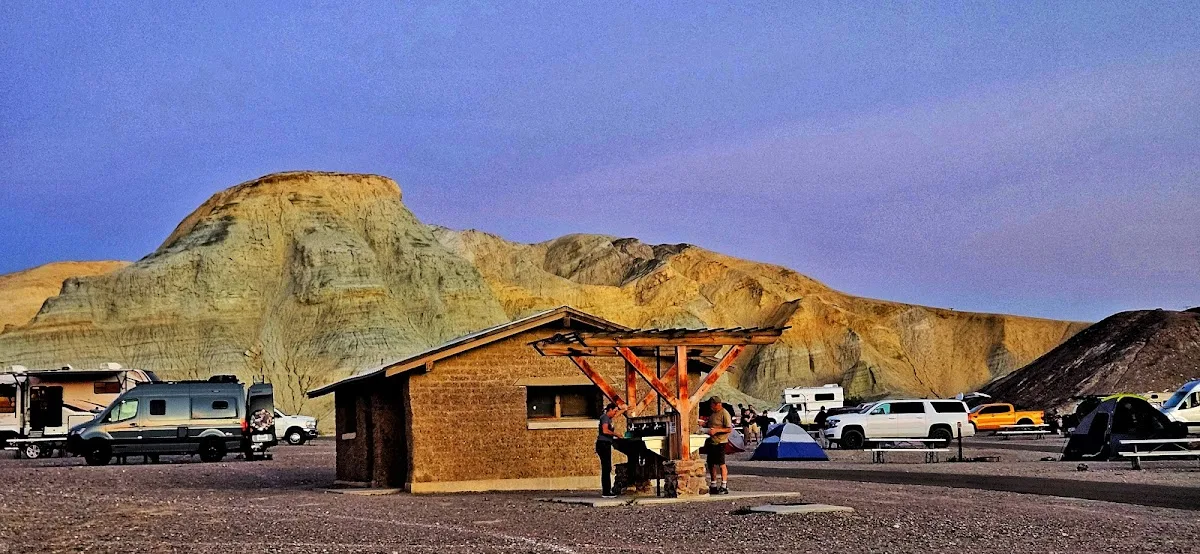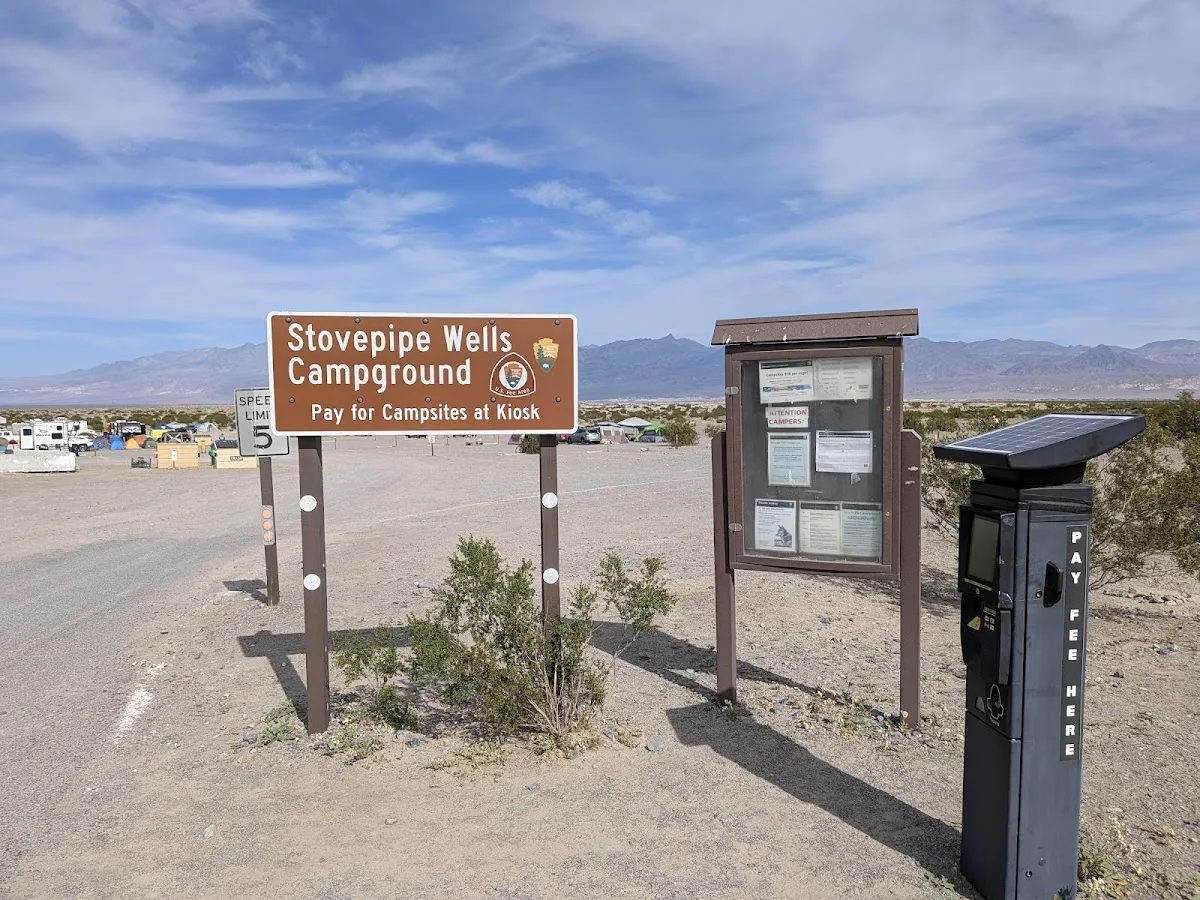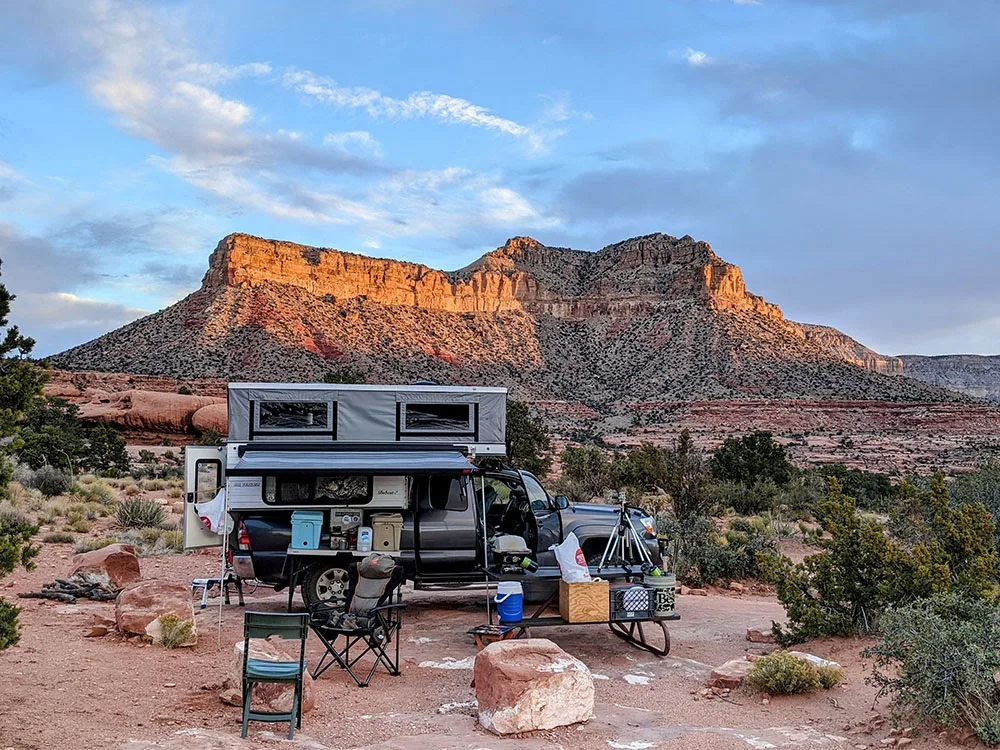
Tuweep Campground is listed as a family campground in Grand Canyon National Park, but it plays by a different set of rules than “typical” campgrounds. The National Park Service describes Tuweep as remote and challenging to reach, with no water, gas, food, lodging, Wi‑Fi, or cell service on site. That matters because your trip success depends on what you bring, how you drive the access roads, and whether you have the right permits before you arrive.
Why Tuweep feels different: it’s wilderness-first, service-free camping
The NPS page for Tuweep makes the baseline clear: you should plan as if you are fully self-sufficient. Without on-site fuel or communications, you need to treat Tuweep more like a wilderness overnighter than a drive-in campground stop.
Even basic contingencies should be handled in advance—fuel planning, spare parts, and repair supplies—because there’s no on-site store or quick support line. This is also why the official guidance emphasizes being prepared for changing weather, including monsoon conditions in summer and winter freezing temperatures.
Permits and passes: what the NPS says you need before you go
NPS notes that an advance permit is required. The page distinguishes between day use and overnight/backcountry use: for overnight, you need to obtain an advance Backcountry Permit and arrive by sunset. It also states that permits and key travel items (like your Park Pass and photo ID plus a highway license plate) are not available on site and must be purchased prior to the trip.
If you’re planning a multi-day trip, don’t treat permit timing as an afterthought. Overnight access is tied to having the right authorization ahead of time, and NPS is explicit that overnight use requires advance Backcountry permitting.
Arrival timing: gate hours for day use and the sunset cutoff for overnight
Timing is one of the biggest practical differences at Tuweep. The NPS guidance specifies for day use that the gate is open from sunrise to 30 minutes past sunset—and that you should arrive 1 hour prior to sunset. For overnight use, the instruction is simpler but stricter: you must arrive by sunset, with your advance Backcountry Permit arranged ahead of time.
So the key planning step is not just “get there today”—it’s “get there early enough to set up before the operational window closes.” With remote roads, you’ll want buffer time for slowdowns and navigation challenges.
Driving and vehicle reality: plan for rough dirt roads and limits
The NPS page warns that getting to Tuweep is challenging and involves negotiating high-clearance dirt roads. It also gives trip-scale constraints: travel should be limited to no more than 4 vehicles and 11 people, and the maximum total length end-to-end is 22 feet (6.7 m).
Practical implications for campers: pack for vehicle reliability and avoid assuming you can “just pull over” if something goes wrong. The page also flags that GPS navigation can be unreliable in remote areas, so build in time and prepare to navigate without perfect directions.
Seasonal weather: monsoons, mud, and rapidly changing conditions
NPS highlights that summer can bring torrential rain and lightning (monsoon season is listed as July–September), while winter can include rain, snow, and freezing conditions. The guidance notes that travel conditions can change quickly and that isolated flooding can occur even with forecasted precipitation as low as 10%.
If you’re traveling during shoulder seasons or winter, treat road conditions as a serious variable. The page even notes muddy conditions and frozen-road travel timing, reinforcing the idea that you should check forecasted conditions and plan with flexibility.
Campground expectations: what you can and cannot do
Because Tuweep is designed for an uncrowded, rustic wilderness experience, rules are centered on protecting resources and keeping the area workable for remote operations. NPS states that fossil fuels are allowed but fires and charcoal are prohibited. There’s also guidance to pack out all trash and restrictions on drones and other devices that could impact wildlife or fragile ground.
The official page also cautions that pets are restricted (leashed) and that bikes and vehicles are limited to roads—small details that can change your day if you arrive without the right expectations.
Tuweep Campground can be an incredible Grand Canyon experience, but it’s built for planning. Use NPS guidance as your baseline for preparation: arrange your advance permits, plan around sunrise-to-30-minutes-past-sunset day-use access or the sunset cutoff for overnight use, and prepare for remote roads and a service-free setting where “we’ll find supplies there” isn’t an option.