Wildrose Campground offers a high-elevation way to camp in Death Valley National Park, but it calls for a self-sufficient plan. At 4,100 feet in the Panamint Mountains, it differs from the park’s low desert campgrounds. The National Park Service notes that higher-elevation options can make for more pleasant overnight stays, though elevation does not guarantee cool weather. Recreation.gov describes Wildrose as a first-come, first-served campground with no potable water or hookups. Those details matter more to trip planning than a promise of convenience: bring what you need and be ready to adapt if you cannot find a site.
Decide whether Wildrose’s remote setting suits your trip
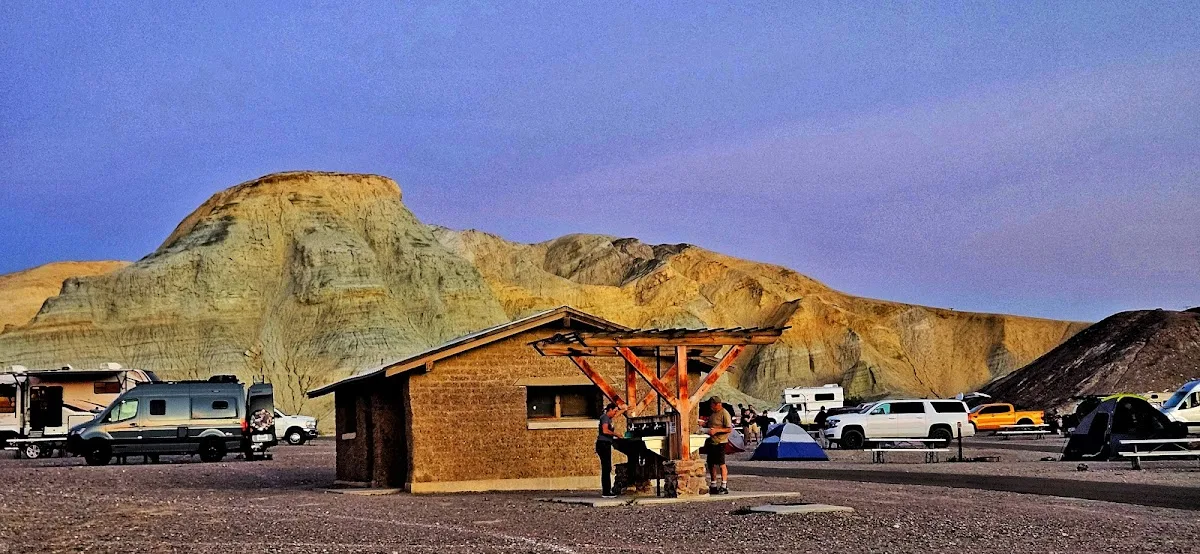
Recreation.gov describes dirt-and-gravel sites surrounded by mesquite and rolling hills. The setting suits visitors looking for a mountain campground and willing to manage without basic connections. It is a poorer match for a trip that depends on drinking water at the site, electrical hookups, or a reserved space. The campground is in Death Valley, California, in the Panamint Mountains; the local listing categorizes it as a Family Campground and shows a 4.7 rating from 106 reviews. Those listing details provide context, but the no-water, no-hookups setup is the key practical consideration.
Do not choose the campground on the assumption that it will be cool. The National Park Service recommends higher-elevation campgrounds as options for avoiding some of Death Valley’s summer heat, while also noting that higher sites can fill on many summer weekends. Temperatures and conditions vary. Check forecasts and park alerts for your travel dates, and consider how you would respond to heat, wind, or a full campground before setting out.
Plan water and a backup before driving in
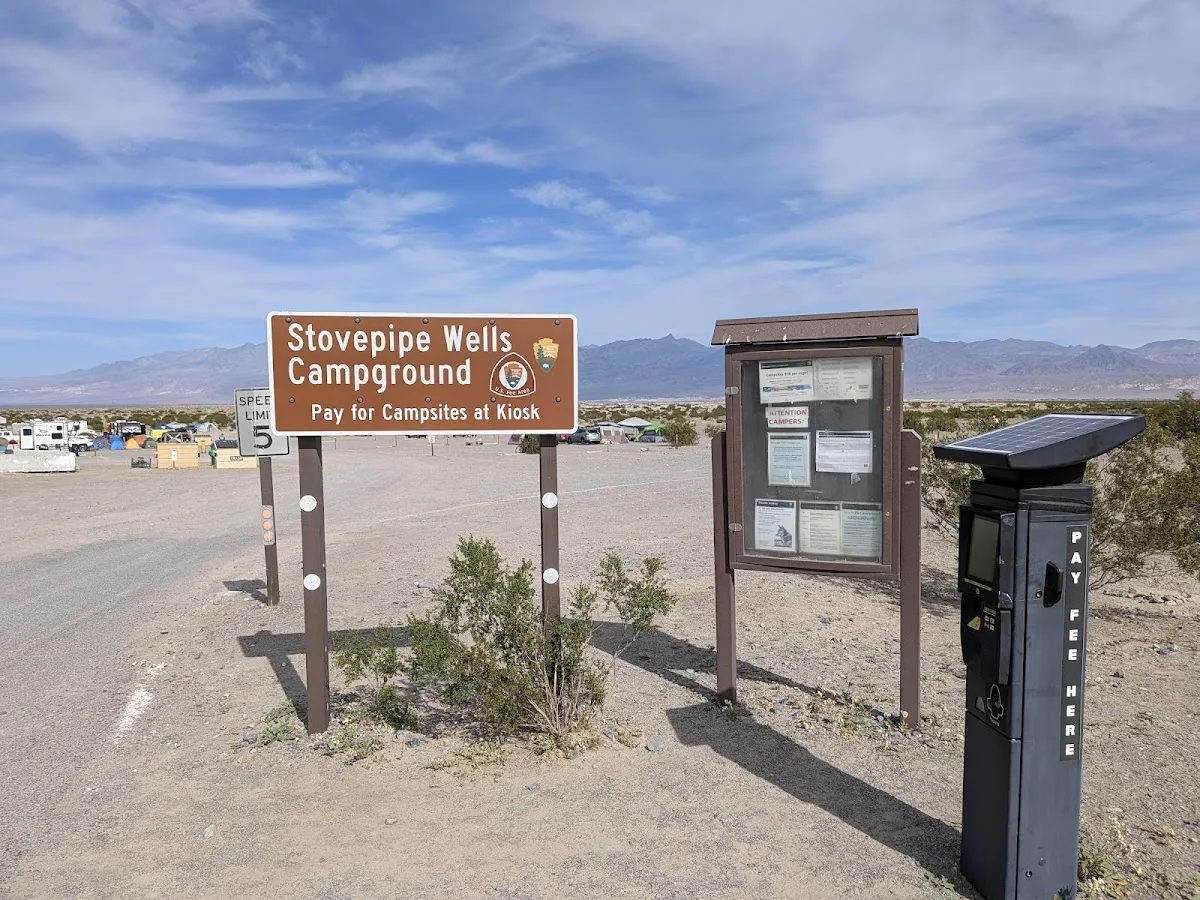
Recreation.gov says there is no potable water available in the Wildrose area and identifies the closest available water as approximately 31 miles north at Stovepipe Wells. Bring enough drinking and cooking water for the whole stay, with a reserve for delays or changes of plan. Treat that distance as a planning constraint, not as a reason to expect a convenient refill at the campground. No hookups are available either, so RV travelers need a plan for power and water that does not rely on campsite connections.
Wildrose is first-come, first-served, and Recreation.gov says it does not offer reservations for this campground. You cannot secure a site there in advance. Keep your itinerary flexible and identify another option before traveling, particularly for a summer weekend. The National Park Service says higher-elevation campgrounds may be full on many summer weekends. Its general camping guidance says first-come sites are not staffed and visitors should arrive at the campground to find a site; check current park information for applicable fees and payment instructions.
Fit your vehicle and equipment to the campground rules
The National Park Service lists a 25-foot total vehicle-length restriction for Wildrose Campground. Check the combined length of your vehicle or RV against that limit before making the drive. Do not assume that a site’s lack of hookups tells you whether a particular rig will fit or whether every access road is suitable for it; use current park road and campground guidance for those decisions.
Recreation.gov reports that generators are allowed from 7 a.m. to 7 p.m. and warns that the area is prone to high winds. Secure tents and loose gear with conditions in mind, and avoid relying on an awning or cooking setup that cannot be used safely in gusts. The National Park Service also says fires are prohibited at Wildrose during summer months and other periods of high fire danger. Fire rules can depend on conditions, so check current park restrictions rather than assuming a campfire is permitted. The park’s general campground rules limit each site to eight people and either two vehicles or one RV plus a secondary vehicle.
Use the Charcoal Kilns as a landmark, not a casual hike
Wildrose offers access to a distinctive high-country landscape and the historic Charcoal Kilns. The National Park Service describes ten beehive-shaped structures completed in 1877. The Wildrose Peak trailhead is just north of the kilns, beyond the campground on Emigrant Canyon Road. Visiting the kilns can be a shorter outing; stay mindful of the historic structures and follow current park guidance.
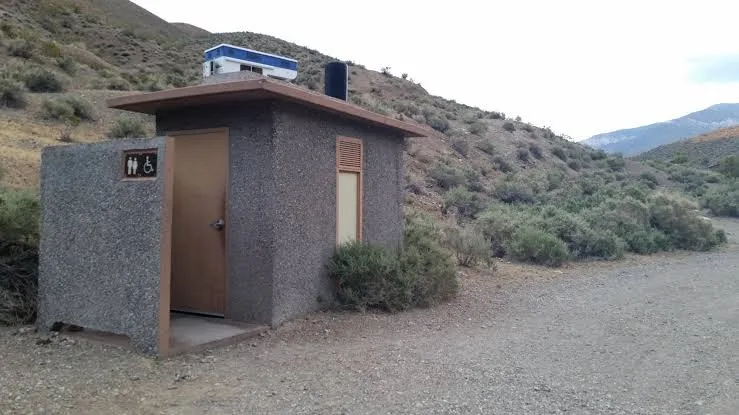
For those considering the summit, the National Park Service lists the Wildrose Peak route as an 8.4-mile round trip with 2,200 feet of elevation gain and an estimated six-hour round trip. That is a substantial hike, not a brief walk from camp. The NPS identifies a vault toilet at the trailhead parking area and says there is no restroom along the trail. Carry water, take navigation suitable for the route, and judge the outing against current weather and your group’s ability. The final two miles of road to the Charcoal Kilns are maintained gravel and typically passable in a sedan, according to the NPS, but conditions can change.
Wildrose is best approached as a remote, higher-elevation campground with a compelling landscape and limited services. Its first-come setup, lack of potable water and hookups, vehicle-length limit, and potential for summer crowds make advance preparation important. Travelers who arrive with their essentials, a realistic activity plan, and an alternate arrangement if no site is available can better judge whether the setting fits their Death Valley trip.