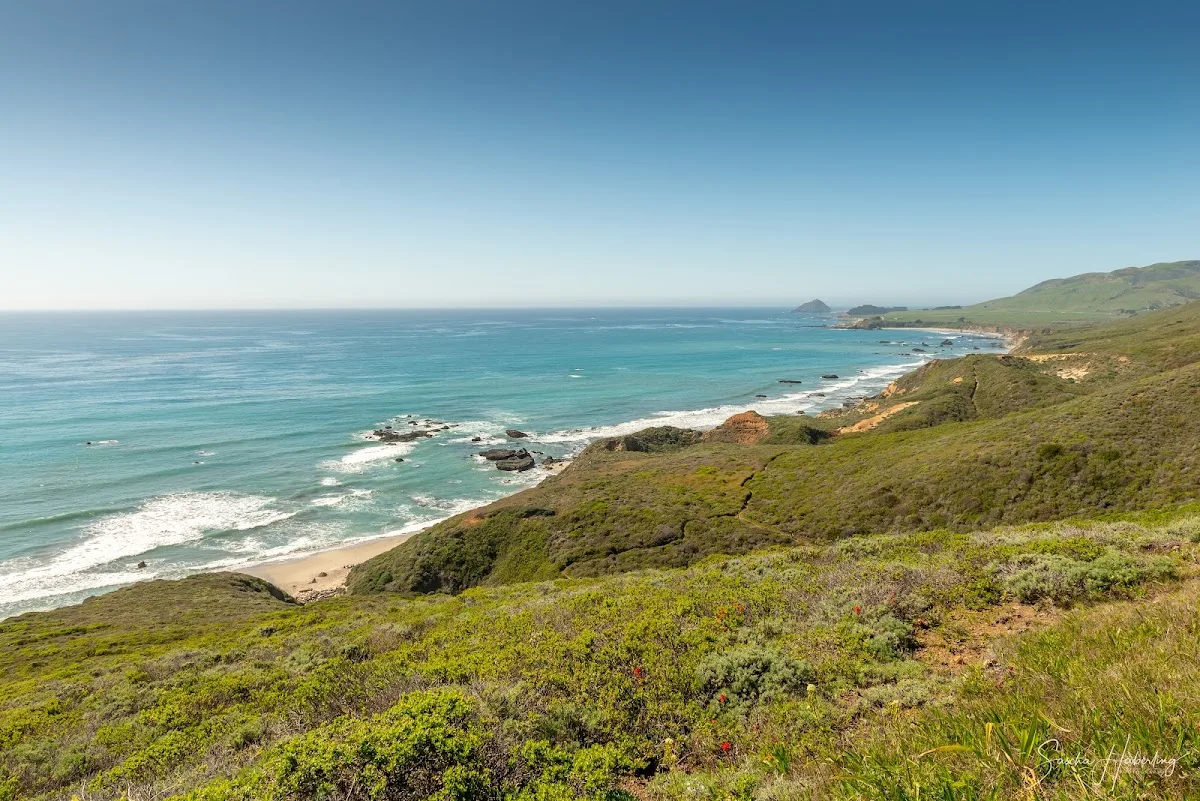
Andrew Molera State Park in Big Sur sits along a rugged stretch of California’s coast, where getting the logistics right makes the day feel effortless. Before you think about trails or your campsite rhythm, it helps to understand the park’s day-use setup: where you can park, how day-use entry works, and the specific pet rules that apply once you’re on-site.
Day-use timing and the $10 per-car fee (with self-registration)
The park’s official day-use window runs from 8 a.m. to sunset. When the entrance station isn’t staffed, the park instructs visitors to use a self-registration process to pay the day-use fee.
For day-use entry, the fee is $10 per car, per day. The park also notes that your entrance fee provides access to California state parks until sundown, which is useful if you’re building a bigger Big Sur day around multiple stops.
Where you can park matters: designated lot and pullouts
Parking is limited to the designated parking lot, and the park provides guidance about vehicle types. RVs and travel trailers are not permitted in the lot, while parking in pullouts along Highway 1 is allowed.
Even if you’re not bringing a trailer, parking boundaries are a practical planning factor: where you’re able to leave your vehicle can affect how quickly you can get to the coast, picnic areas, and access points.
Dogs: allowed in the parking and adjoining picnic area—restricted everywhere else
Andrew Molera State Park takes pet access seriously. The park states that dogs are not allowed on any State Park trails, but they are allowed in the parking area and adjoining picnic area.
If you bring a dog, keep in mind the on-site expectations in that permitted zone: dogs must be on a six-foot leash at all times, and the park emphasizes not leaving your dog unattended. Service animals are treated differently, but for typical visits, the key is planning your route so hiking happens without bringing your dog onto trails.
If you’re traveling with multiple people and want to split time on foot, treat the parking area as your shared “base.” You’ll be able to enjoy the day’s scenery and picnic space while staying within the park’s trail restrictions.
Protect the park: stay on trails, respect protected features, and be cautious around habitat
Beyond parking and pets, the park includes safety and conservation reminders that can help prevent avoidable problems. Visitors are reminded that all park features are protected by law and may not be disturbed, and that you should stay on trails to avoid poison oak.
The park also provides guidance related to the Big Sur River area, including instructions not to move rocks, branches, or other materials in the river—behavior intended to help protect local habitat. These reminders are especially relevant if your visit includes river-adjacent viewpoints or stopping areas.
Swimming and surfing are not advised due to hazardous conditions and the lack of lifeguards, so if you’re planning water time, treat the river and coastline as a sightseeing experience rather than an “on-your-own” swim stop.
Planning your route using the address, phone, and official site
To plan with confidence, anchor your day around the park’s real access details. Andrew Molera State Park is listed at 45500 CA-1, Big Sur, CA 93920, and the park is also reachable via the California State Parks page at https://www.parks.ca.gov/?page_id=29851.
If you prefer calling for confirmation, the park’s phone number is +1 831-667-2315. It can be especially useful when you’re coordinating with companions, checking what to expect on arrival, or aligning your timing with the 8 a.m. to sunset day-use window.
The park is rated 4.6 from 923 reviewers, and it’s also worth keeping one practical detail in mind: the campground is located at a very short walk from the parking lot. That “park-close” layout helps you spend less time shuttling between your car and your start point, particularly when you’re loading gear or transitioning between picnic time and time on foot.
With day-use hours, the $10 per-car entry fee, clear parking boundaries near Highway 1, and dog access limited to the parking and adjoining picnic area, you can reduce guesswork and enjoy the Big Sur coastline at your own pace—while following the park’s rules designed to protect people, pets, and the landscape.