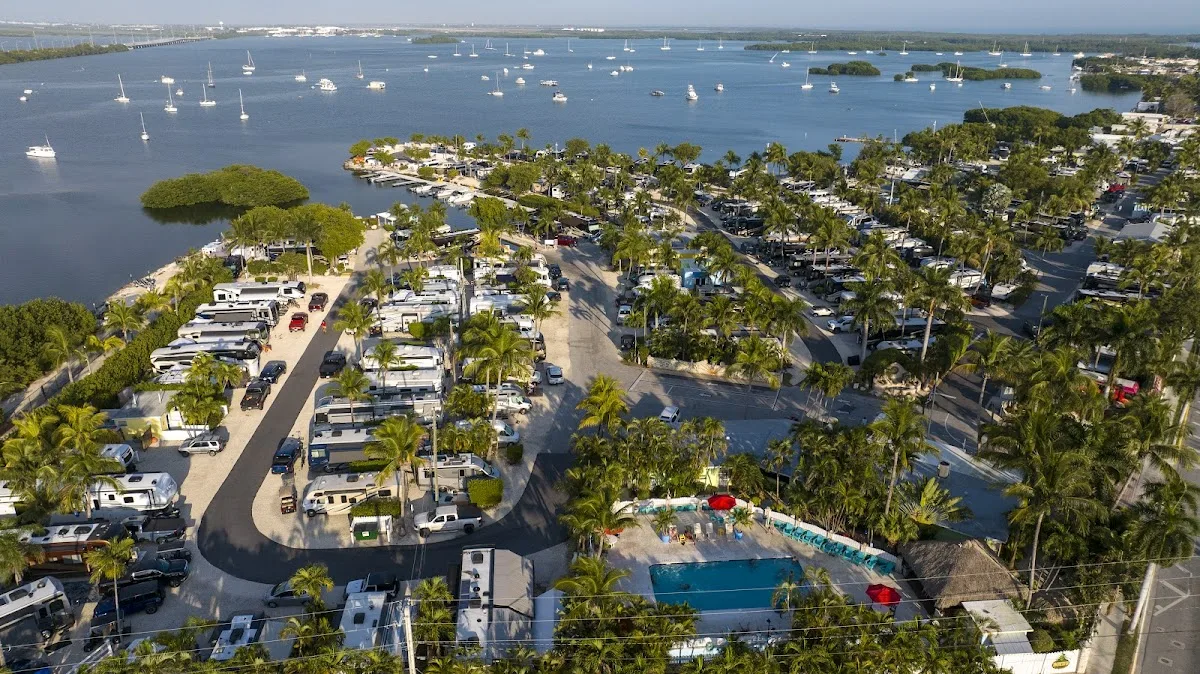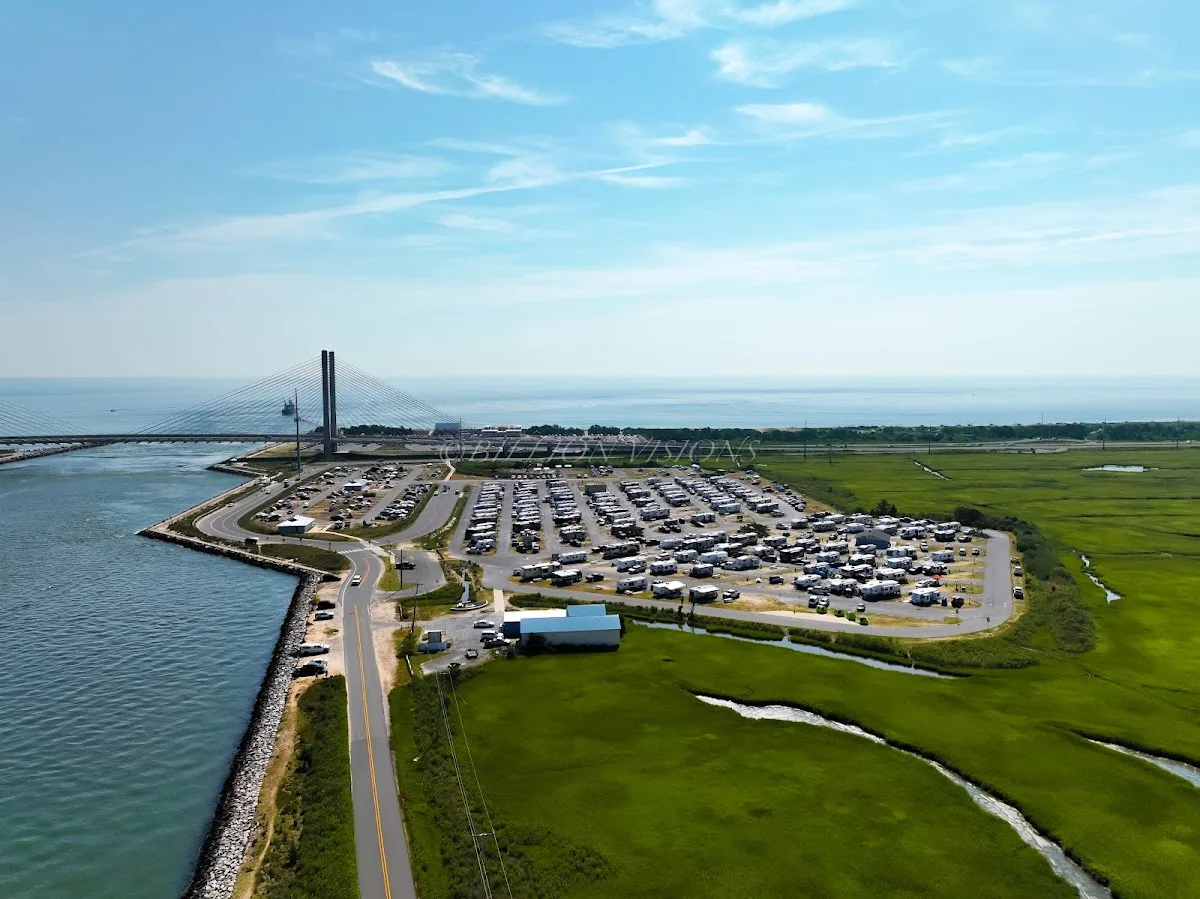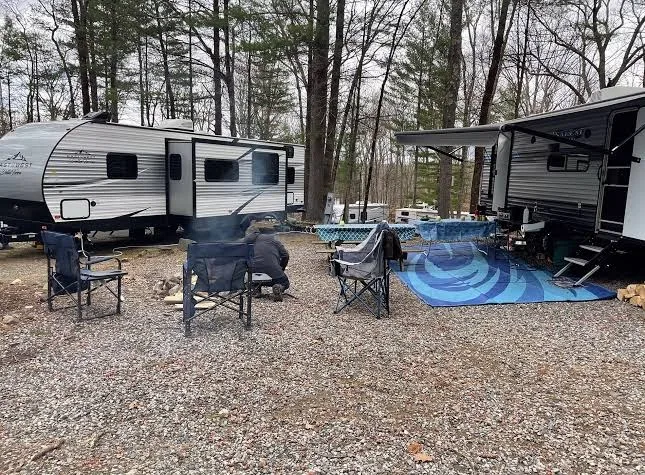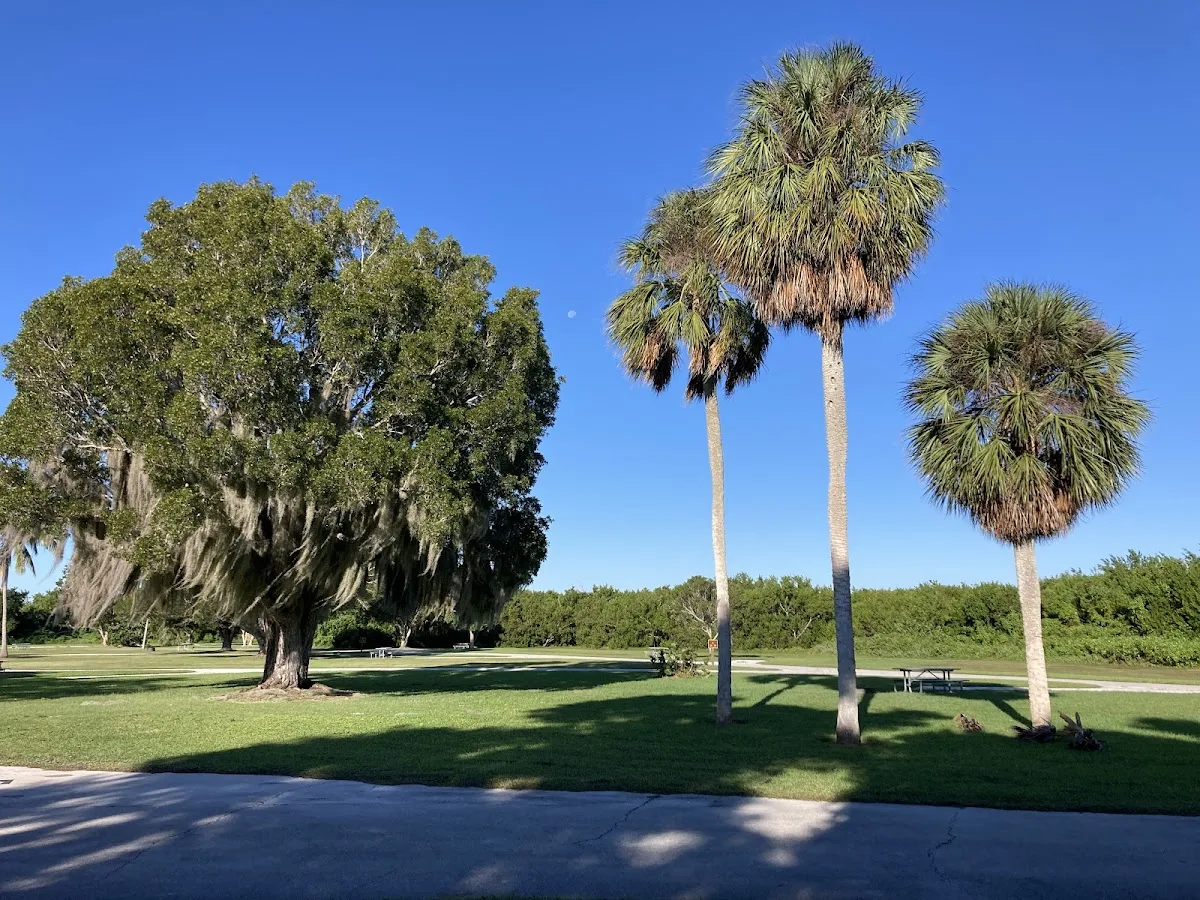
Yes—an RV stay at Flamingo Campground can work without full hookups if your rig can operate without a water or sewer connection at the site, and you choose a site with compatible electrical service if you need it. The campground’s T-loop has pull-through RV sites, but only a select number have electrical hookups. For a trip to this family campground in the Homestead area, the useful question is not simply whether the RV fits; it is whether its utility needs fit the particular site and the campground’s shared facilities.
Start with what “full hookups” would provide
Full hookups generally means that a campsite has direct connections for electricity, water, and sewer. These connections let an RV draw power and water and send wastewater into a sewer connection without relying solely on onboard tanks. Flamingo’s campground information makes an important distinction: T-loop sites do not have water or sewer hookups. That remains true even where a site has electricity.
The campground lists pull-through RV sites in the T-loop, but a pull-through layout describes how a vehicle enters and leaves—not what utilities reach the site. An RV may physically fit a pull-through and still require a different plan for power, fresh water, or wastewater. Treat site layout and utility service as separate choices when reviewing options.
This arrangement can suit travelers whose RV systems and trip habits allow them to camp without direct water and sewer connections. It may be a poor fit for someone who depends on a continuous water connection or needs to discharge wastewater at the site. The right answer depends on the equipment you bring and how long you can comfortably manage between using shared facilities.
Match electrical service to your RV’s actual needs
Flamingo lists electrical hookups at a select number of T-loop sites, with 20-amp, 30-amp, and 50-amp pedestals. Those figures describe different electrical service levels; they are not interchangeable promises that every site can power every RV. Before choosing a site, check the electrical requirement of your RV and any adapter or power-management setup you use, then confirm that the specific site offers compatible service.
Reservations are highly recommended, so check availability early when choosing a site.
Plan water and wastewater around shared facilities
Potable-water filling stations are located next to the dump station. That gives campers a place to refill and handle waste, but it is different from having water piped to the RV or sewer access beside it. Think of it as a separate service point in the campground rather than an extension of a campsite hookup.
For example, a hypothetical RV with modest onboard water and holding-tank capacity may be workable for a shorter visit if its occupants plan water use and account for the dump station. A rig with limited capacity—or a group that uses substantial water—may find the lack of site connections more consequential. Consider the number of people, your expected time at camp, and how often your setup would require refilling or waste disposal. These are practical fit questions, not assumptions about how often a station will be available.
Include wash facilities and the reservation choice
The campground lists bathhouses, dump stations, picnic tables, grills, and a winter-program amphitheater. Its campground information also states that the bathhouses do not have hot water. That detail can change how comfortable the stay feels, especially for campers who expect hot showers after outdoor activities; decide whether the listed facilities meet your group’s needs rather than assuming a conventional campground bathhouse experience.
The campground page lists Flamingo as open year-round and directs visitors to its booking link for current pricing. Treat those as separate planning details: year-round operation does not establish availability on your dates, and the listed price should be checked for the site and stay you are considering.