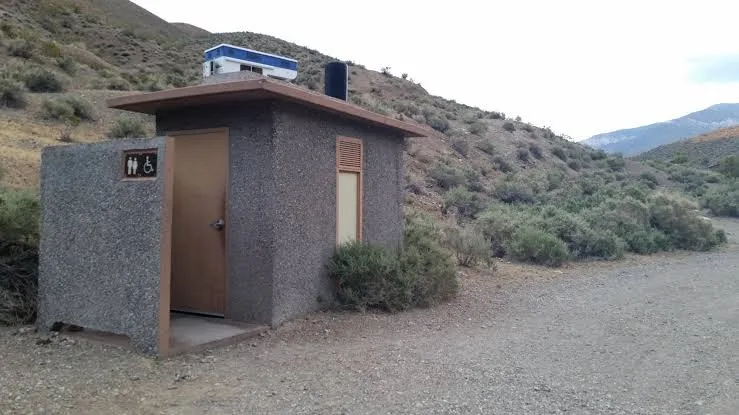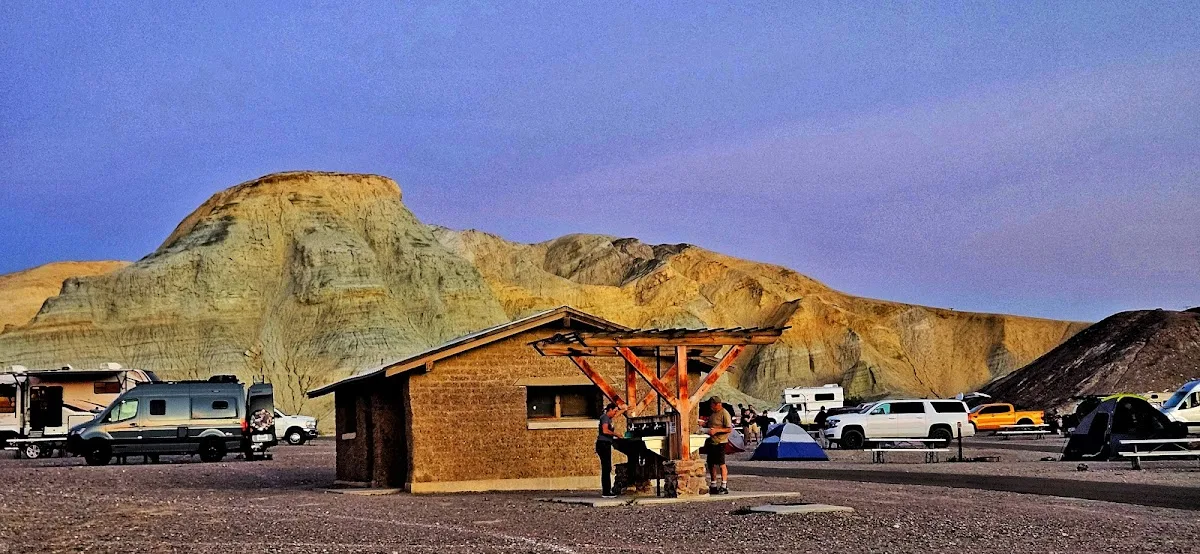
Mesquite Spring Campground is a first-come, first-served campground in the northern part of Death Valley National Park. Recreation.gov says it does not offer reservations for the campground. That makes the first planning question straightforward: can your trip accommodate arriving without a reserved site and changing plans if no site is available? The campground’s location and basic facilities may suit a self-sufficient trip, but they are not a substitute for checking current access and availability information.
Mesquite Spring’s position below Grapevine Canyon
The National Park Service places the campground at an elevation of 1,800 feet, two miles off Scotty’s Castle Road and below Grapevine Canyon. Recreation.gov describes it as a base camp for exploring the northern parts of Death Valley National Park, surrounded by desert mountains and geological features. Those details make it a natural option to consider when your plans focus on the park’s north rather than treating the campground as a convenient base for every destination across the park.
Think through the day’s driving before choosing a campsite. Mark the places you most want to see, estimate the travel involved using a current map, and leave room in the schedule for a remote park setting. The two-mile distance from Scotty’s Castle Road is useful to know when planning the final approach, but it does not establish that the road or campground will be open on the day you travel. Check Death Valley National Park alerts and road information close to departure, particularly if weather or other changing conditions could affect access.
First-come arrival and payment at the campground
Since Recreation.gov lists Mesquite Spring as nonreservable, do not plan around a booking confirmation or assume a site will be waiting. A flexible itinerary and a realistic alternative are more useful than a tightly timed arrival with no backup. Consider how much daylight you will have for reaching another option if the campground is full, and avoid making other plans that depend on securing a particular site.
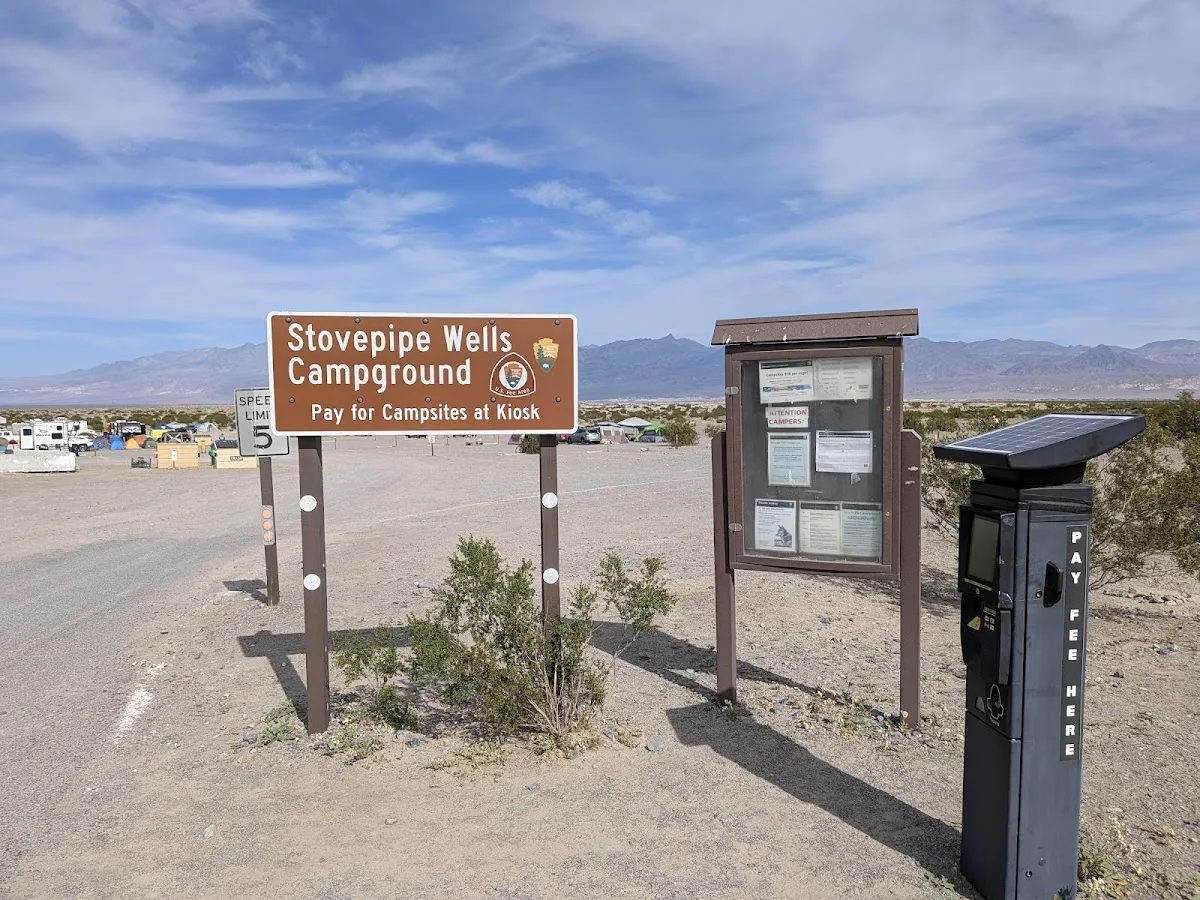
Recreation.gov says the fee is paid at the automatic pay station at the front of the campground. The National Park Service’s general guidance for first-come campgrounds says payment is made at an automated self-help kiosk with a credit or debit card. Bring a suitable payment method and check the park’s current camping information before setting out, since operating details and conditions can change. The absence of a reservation option through Recreation.gov is not a reason to skip checking current park information.
What each site provides—and what it does not
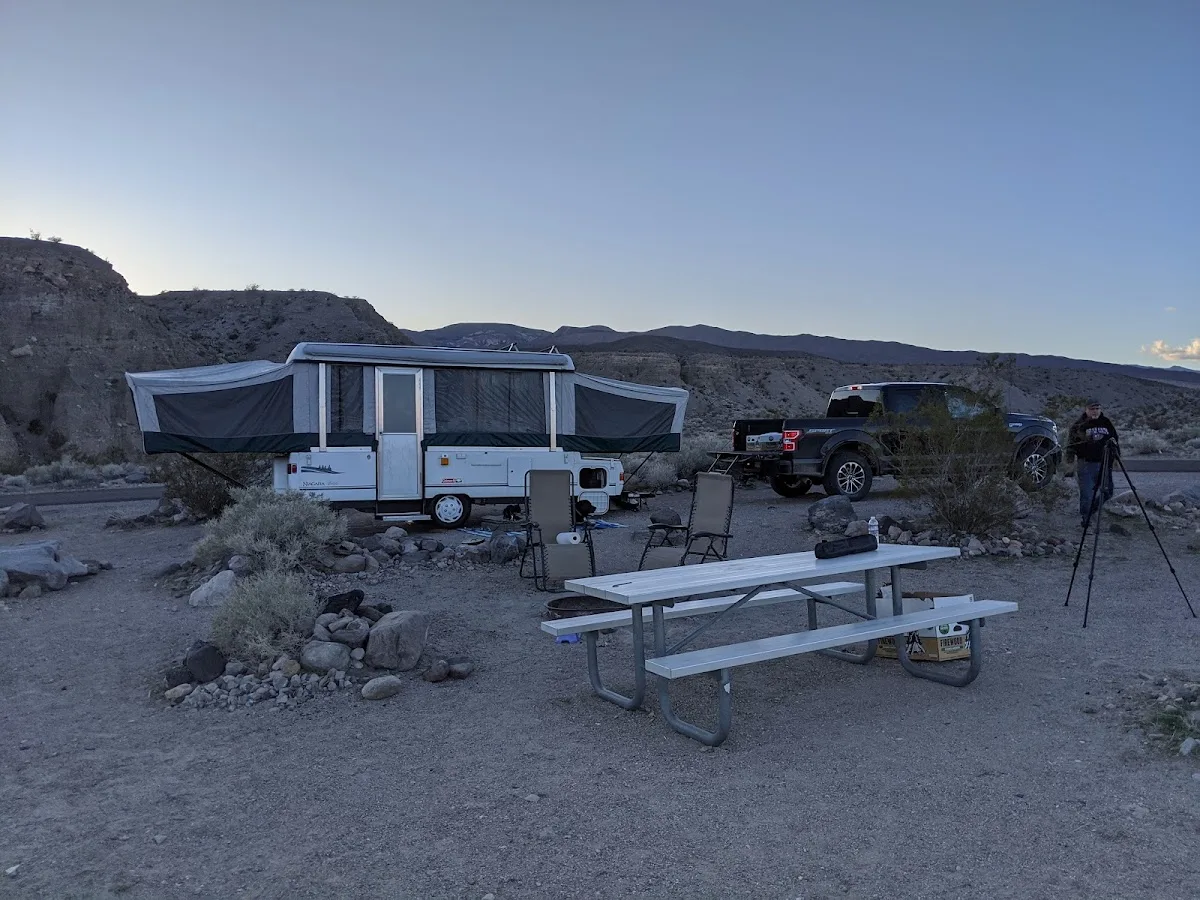
Recreation.gov lists a picnic table and fire grate at each site and says there are no hookups. These are useful basics, not a full-service setup: plan for your own power needs rather than expecting an electrical connection. Bring the food, drinking water, lighting, and other supplies your group will need, based on the length of your stay and current park guidance. The local listing classifies Mesquite Spring as a Family Campground, but that category does not establish particular family amenities or services beyond the details documented by the campground sources.
RV travelers should distinguish overall campground capacity guidance from the fit of an individual site. The National Park Service says Mesquite Spring can accommodate RVs up to 35 feet in total length and cautions that not all sites can accommodate that length. If your vehicle is close to that limit, or its dimensions or configuration make turning and parking important, check the site-specific information and current park guidance rather than assuming every space will fit.
The park’s general campsite rule limits a site to eight people and either two vehicles or one recreational vehicle plus a secondary vehicle. Include your party and vehicle count in planning, and consult current park rules for details. The National Park Service also says park fires must be made in metal fire pits and that stoves and grills must be gas-burning with an on/off switch. Although a fire grate is listed at each Mesquite Spring site, check current fire restrictions before using it; the presence of a grate does not override a restriction.
Heat and preparation for a Death Valley stay
Death Valley conditions deserve attention when choosing dates and planning outdoor activity. The National Park Service notes that summer nighttime temperatures can remain above 100 degrees and recommends developed campgrounds for summer stays. It names Mesquite Spring among the higher-elevation campgrounds to consider for a more pleasant overnight option, but higher elevation is not a promise of cool or safe conditions. Check the forecast and park alerts, carry adequate water, and be ready to change plans if conditions are unsuitable.
Mesquite Spring is most compelling to consider when a northern Death Valley itinerary, a no-hookup campsite, and a first-come arrival all fit your needs. Its documented setting below Grapevine Canyon, site picnic tables and fire grates, and fee station at the campground entrance help clarify what to expect. Before driving in, check park conditions, prepare for the climate, and decide what you will do if no site is available. That way, your choice reflects the campground’s actual setting and limitations rather than assumptions about reservations, utilities, or weather.