At Starved Rock State Park Campground, the key planning distinction is between electricity at a campsite and water or wastewater facilities shared across the campground. The Illinois Department of Natural Resources lists electric-only Class-A Premium sites, water hydrants throughout the grounds, and a dump station near the entrance. That layout can work for different kinds of camping setups, but it changes what you should expect at your individual site.
Match your electrical setup to the site service
The Illinois DNR lists 133 Class-A Premium campsites with electric hookup only. Its campground information identifies 30-amp and 50-amp options, and notes that 30-amp sites also have 20-amp/110-volt outlets. These are different service configurations, not a promise that every site has every connection. Use the campground brochure and your equipment’s electrical requirements to identify a compatible site before you reserve.
For an RV, the amperage rating matters because it describes the electrical service available at the site. Make an inventory of the equipment you expect to run and compare its connection needs with the site option; do not select a site based only on the fact that it has electricity. Campers using a tent may have less need for a powered connection, while an RV’s built-in systems and appliances can make the available service a central part of the choice.
Plan water and wastewater around shared facilities
Water hydrants are distributed throughout the campground. Consider how you will carry or move water between a hydrant and your setup, and use the campground map to understand the layout. The distance between a hydrant and your site can affect how convenient water trips feel, particularly when carrying water by hand. A refillable container can make those trips easier to manage.
The DNR places the dump station at the campground entrance. RV travelers can factor in its location when planning arrival and departure; for example, decide whether emptying tanks fits better before settling in or as they leave.
Separate campsite features from shared amenities
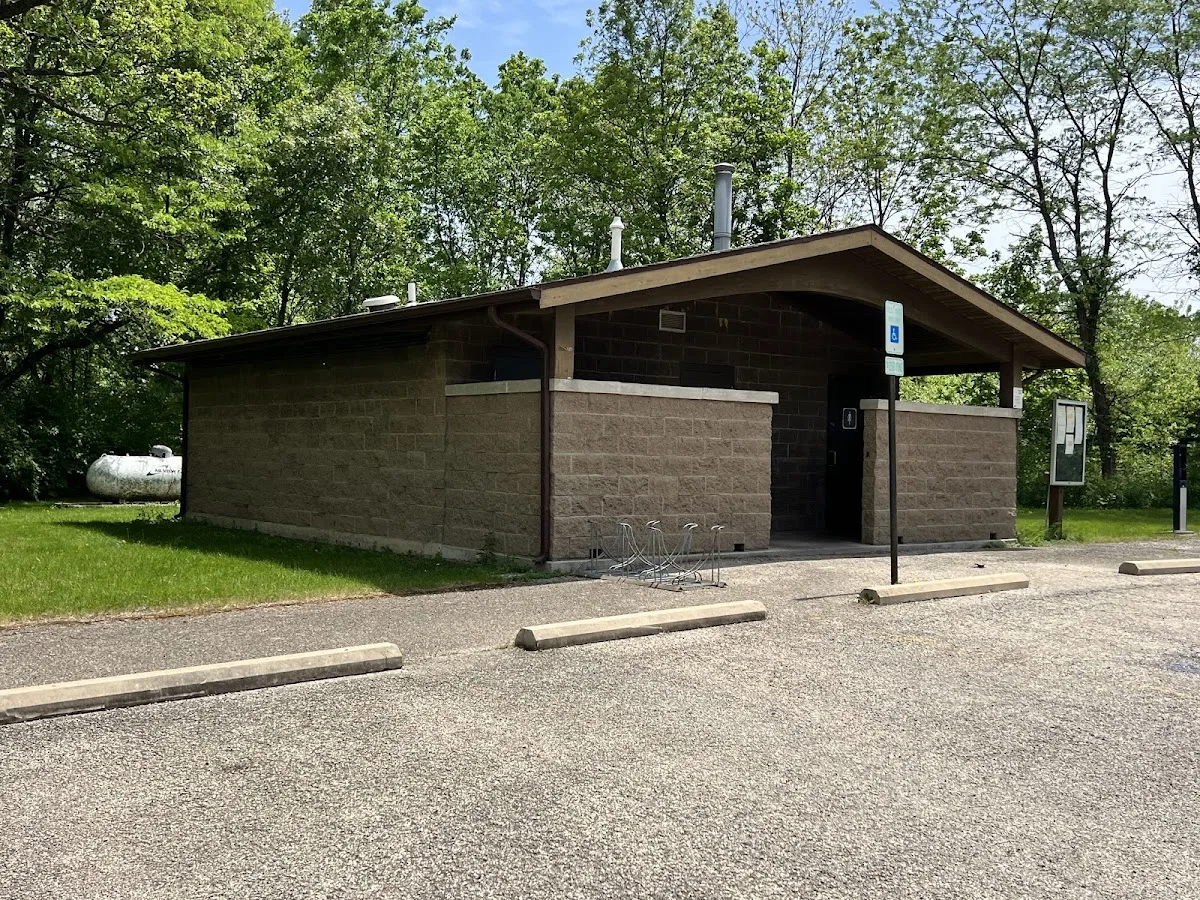
The campground has portable toilets distributed through the area and two shower houses with flush toilets. These shared facilities mean bathroom access is not limited to a toilet inside an RV, but the facilities are not assigned to individual campsites. If your group expects to use a shower house, its location on the campground map may matter when comparing site areas.
The DNR also lists a playground and shelter as campground amenities. The playground gives families a shared place for recreation, while the shelter is a common facility rather than an extension of a reserved pad. In other words, these amenities contribute to the campground experience without changing the utility connections or private space included with a particular campsite.
Use the pad description to picture your setup
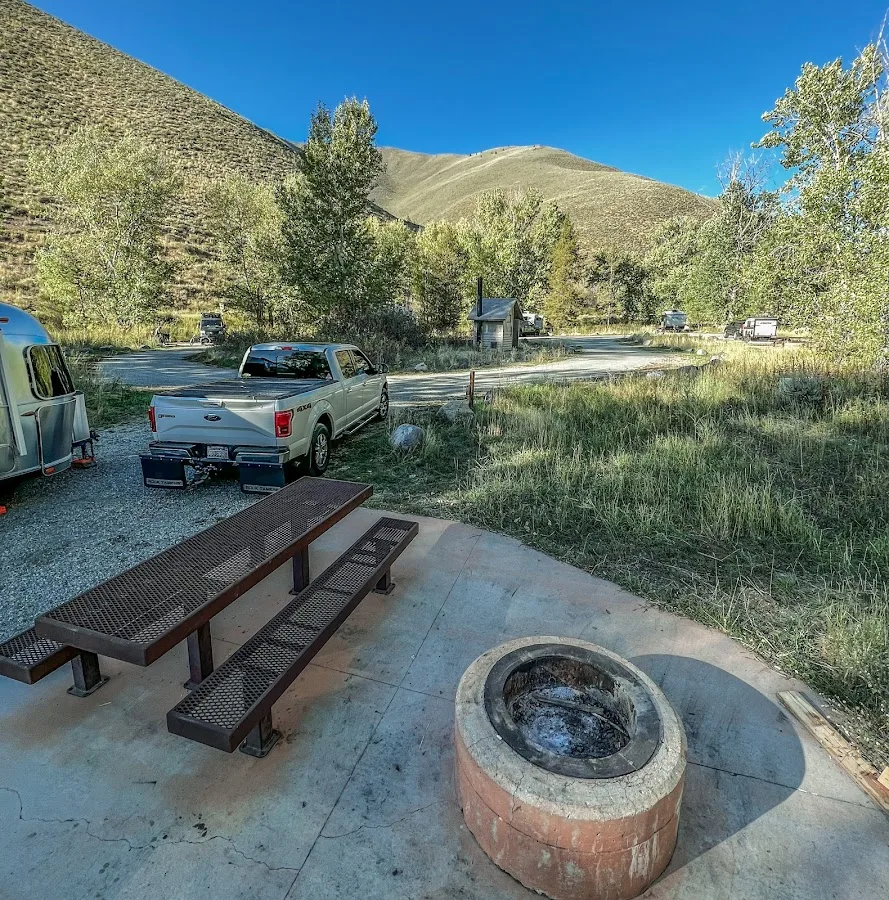
Most campsites are described as having gravel pads; the listed accessible campsites have cement pads. Pad material affects how you position and settle camping equipment, so it is useful to know the surface before arriving with a tent, camper, or RV. The campground’s accessible-site description also includes an RV or camper area, room for tents, a picnic table, a fire pit with grill grate, and an electric hookup.
That layout is specific to the accessible sites described by the DNR; it should not be assumed for every gravel campsite. The same page notes that tents are allowed on those sites, up to two total. Compare the brochure’s site map and individual site information with your group’s equipment and sleeping arrangement. A tent-and-RV combination, for instance, needs room for both elements, whereas an RV-only setup may make pad surface and electrical service the more relevant details.