Choosing a Death Valley campsite means weighing season, heat, road access and whether you need a reservation. The park’s National Park Service (NPS) guidance distinguishes developed campgrounds, primitive campgrounds and private campgrounds; their access and services differ. The matched local listing places Death Valley National Park in Death Valley, California, and shows 4.7 stars from 19,037 reviews. That is a broad park-listing score, not a campground-specific rating. For park questions, NPS lists 760-786-3200.
Season changes which campgrounds are practical
The NPS describes mid-October through mid-April as the winter and spring camping season. Furnace Creek and Texas Springs are popular during this period and are typically full on weekends and holidays. Sunset, the park’s largest campground, almost always has sites available even in peak season, according to the park. That pattern can inform a flexible plan, but it does not guarantee a site on arrival.
Summer runs from mid-April to mid-October. Lower-elevation campgrounds such as Sunset, Texas Springs and Stovepipe Wells typically close around mid-April as temperatures rise. The NPS warns that summer nights can remain above 100°F. Because only a few campgrounds are open in summer, the park recommends developed camping at Furnace Creek, Emigrant or Mesquite Spring. It also points visitors toward higher-elevation options—Mesquite Spring, Emigrant or Wildrose—for more pleasant overnight conditions. Check the specific campground’s operating status before making the drive; seasons and openings vary.
Furnace Creek is the NPS reservation option
Furnace Creek is the NPS campground that takes reservations. Its reservation season runs October 15 through April 15, and the NPS says bookings can be made through Recreation.gov up to six months ahead and at least two days in advance. The park reports that, in recent years, reservations have reached capacity on most days. If your dates are fixed, booking ahead is more dependable than counting on an open site.
Other NPS campgrounds are first-come, first-served when open. In summer, the park says the campgrounds that remain open are not staffed; visitors must go to the campground to find an available site and pay at a self-service kiosk with a credit or debit card. That system is better suited to travelers who can adjust their itinerary than to anyone relying on one particular site. Check campground information before departure, and consider what you will do if your preferred option is full.
Road access and services separate developed from primitive sites
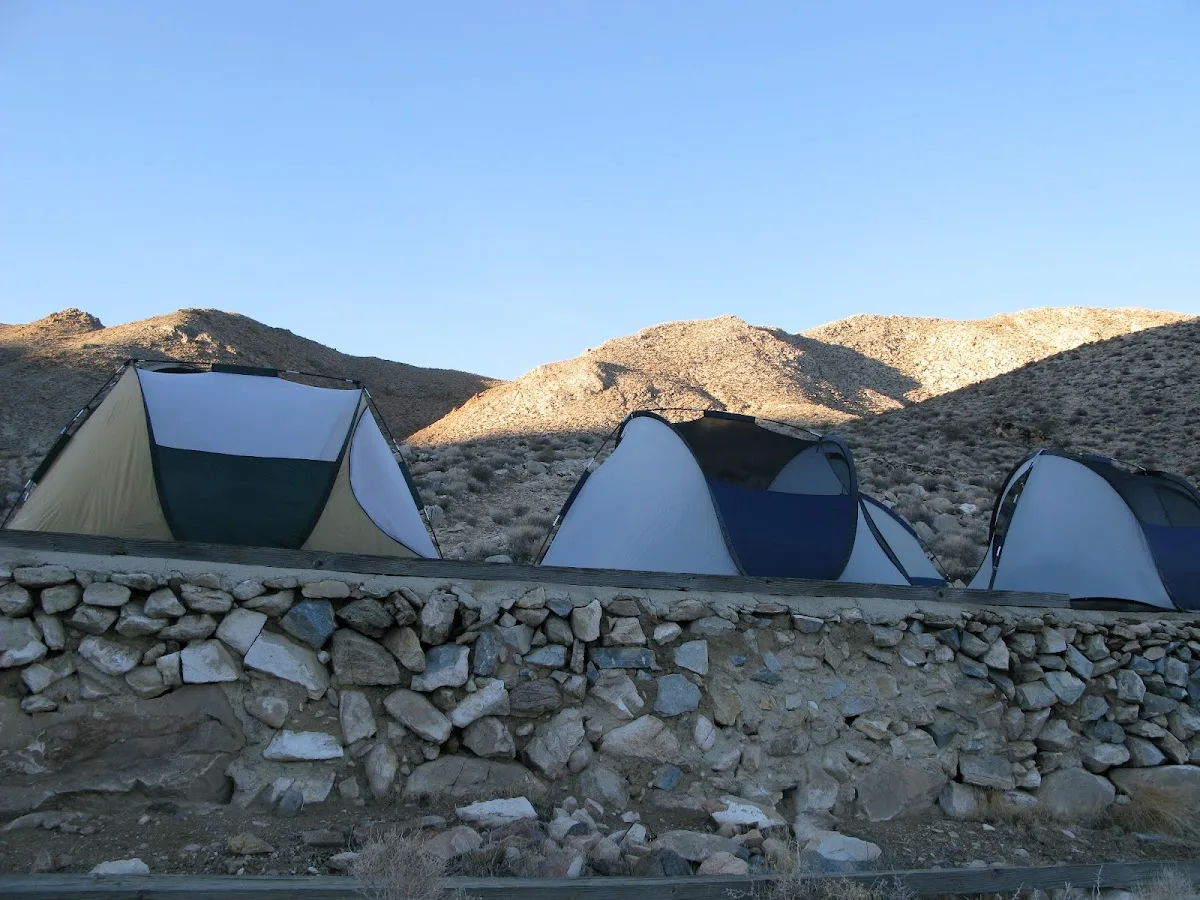
Developed campgrounds are accessible by paved roads and provide limited services, including toilets and trash removal. Primitive campgrounds involve a different level of preparation: NPS describes access by unpaved roads requiring high clearance and four-wheel drive, with no services. Visitors at primitive sites must bring their own water and pack out all trash. The park warns that remote, unpaved travel can bring breakdown risk, exposure, poor cell service and a lack of water. In summer, it recommends developed campgrounds rather than taking on those added risks.
RV travelers should distinguish a hookup site from a campground that simply accommodates vehicles. NPS lists 18 full-hookup sites at Furnace Creek, with 30/50-amp electrical service and water and sewer connections. Those sites are often reserved six months in advance. The park also warns that campground electrical pedestals do not support EV charging; plugging an electric vehicle into them could damage the vehicle and electrical system. Check the individual site details on Recreation.gov rather than assuming every Furnace Creek site has hookups or fits a particular vehicle.
Group size, fires and entrance fees need separate attention
NPS campground rules limit a site to eight people and two vehicles, or one recreational vehicle plus a secondary vehicle. Larger groups can reserve group sites at Furnace Creek. If you are planning around a group, verify that the site type and availability fit the party before settling on dates.
Fire rules affect what you can bring and use. Wood or charcoal fires may be made only in NPS metal fire pits; the park says firewood is available at Furnace Creek and Stovepipe Wells General Stores, or visitors may bring their own. Gas stoves and grills must have an on/off switch. The park may prohibit fires at some campgrounds during summer or periods of high fire danger, so consult current rules for the location and dates.
Keep the entrance pass distinct from the campground reservation and campsite charge. The NPS fees page says the park does not accept cash. Visitors entering in a private vehicle are covered by that vehicle’s pass, which allows re-entry during its stated seven-day period. Visitors entering on foot or by bicycle who are 16 or older need their own pass; children under 16 do not need one. Pass types and prices vary, so review the current NPS fees information for the applicable option rather than treating an entrance pass as a camping fee.
Choose by certainty, conditions and equipment
For a winter or spring trip with fixed dates, first check Furnace Creek if you need a reservable site; look at its site details if hookups matter. If it is full, decide whether a first-come campground and a flexible itinerary are workable. For summer, focus on the NPS-recommended developed options and take the heat guidance seriously. For primitive camping, make sure the vehicle is suitable for the access road and plan to bring water and carry out trash.
Before setting out, review the NPS campground pages for operating status, reservation requirements and current restrictions, along with the weather. A sound choice fits the season, road access and equipment you actually have—not just a campground name or an assumption that a site will be available.