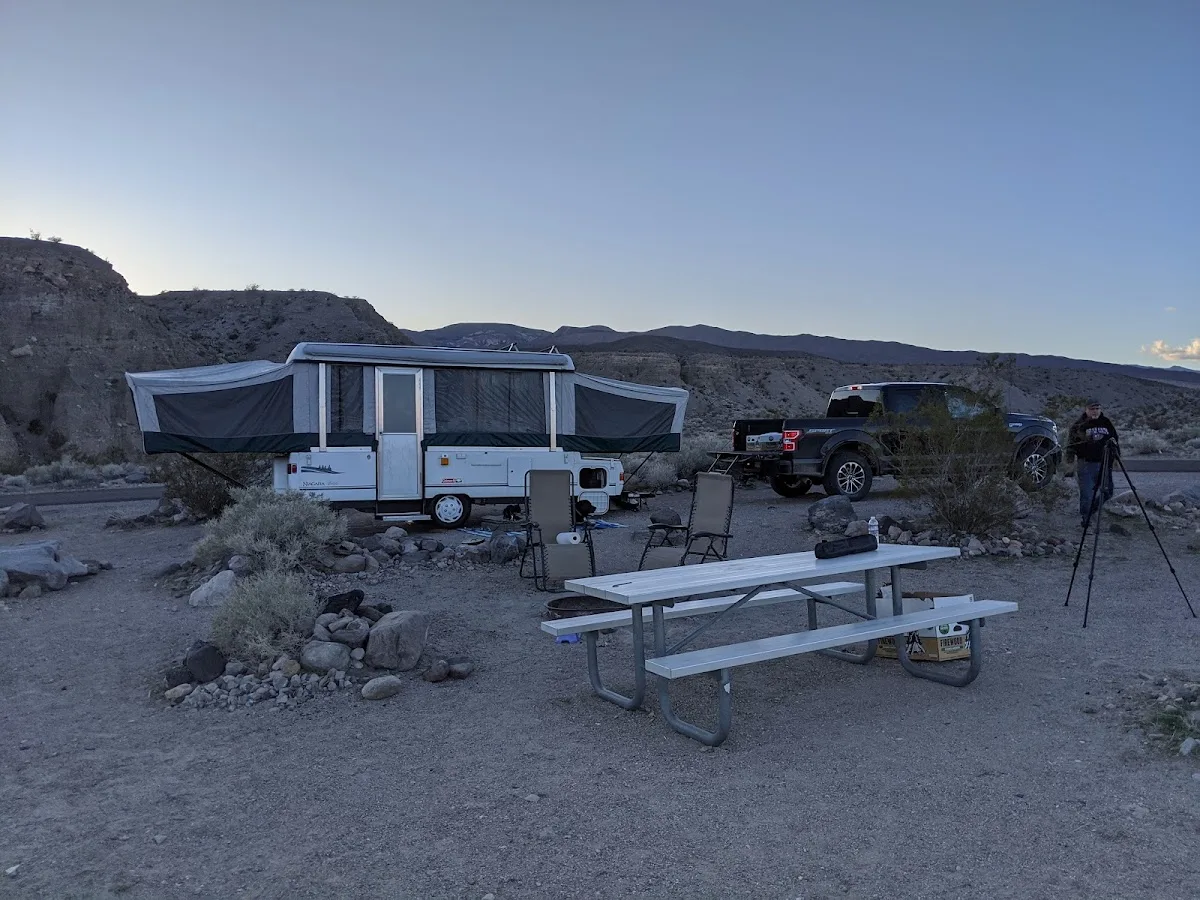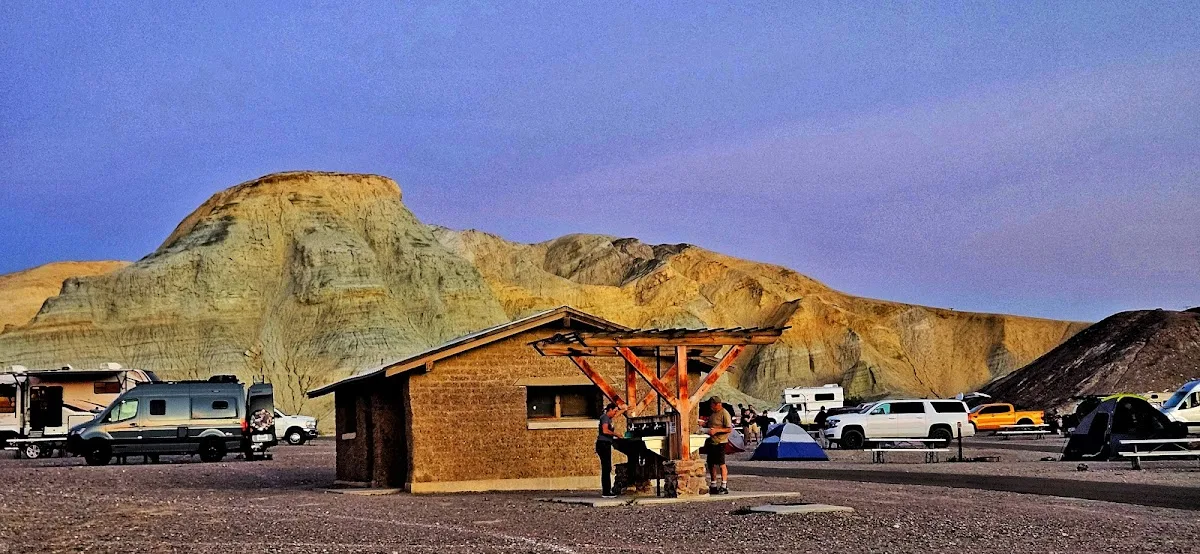
Mahogany Flat Campground is not a convenient roadside stop in Death Valley. It is a remote, primitive base camp reached by a steep, rough road—and the starting point for the demanding Telescope Peak trail. That combination makes the campground a strong fit for prepared hikers who want an early start and a night at elevation, but a poor match for travelers expecting water, staffed services, or easy vehicle access.
The key decision is whether the approach and the overnight conditions make sense for the whole group, not just whether the views sound appealing. The National Park Service describes this as a primitive campground: campers provide their own water and pack out all trash. The site has ten spaces, and the park’s Telescope Peak information says the campground can fill on holidays. Planning around those constraints is essential.
What the setting offers—and what it does not
The campground sits in Death Valley’s mountain country, a different setting from the park’s familiar low desert floor. The National Park Service describes pinyon pine and mountain mahogany along the Telescope Peak trail. The scenery offers a change of perspective, but visitors should plan for mountain conditions rather than assume the weather will be mild. Cold, wind, and changing conditions deserve attention.
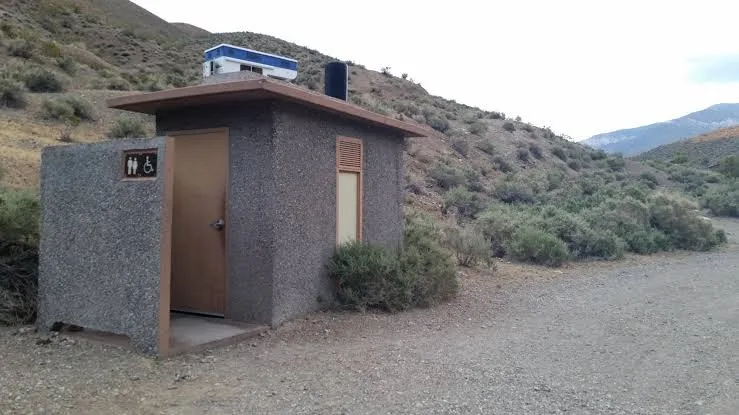
Think of the campground as a simple place to sleep before exploring, not a full-service camping destination. There is no water at camp, and primitive campgrounds have no camper services. Bring enough water for drinking, cooking, and the next day’s activity, with a margin for delays; do not count on topping up at the trailhead. Pack out trash and leave the site ready for the next visitor.
Make the road part of the trip plan
Reaching the campground is a meaningful part of the commitment. For the final 1.5 miles to Mahogany Flat, the National Park Service recommends high clearance and four-wheel drive. Its Telescope Peak page describes the road as steep, rough, and narrow. A vehicle that is comfortable on a paved park road may not be suitable here, and road or weather conditions can change the level of difficulty.
Check current park road conditions before setting out, assess the vehicle and driver honestly, and allow extra time rather than treating the drive as a quick transfer. The trailhead parking limit is 25 feet, so larger rigs should not assume they can reach or turn around at the campground. If a low-clearance vehicle is part of the plan, NPS advises hikers to consider parking at the Charcoal Kilns and walking the road to the trailhead; that adds distance and effort and should be included in the day’s calculations.
Use the campground for a serious hike, not a casual stroll
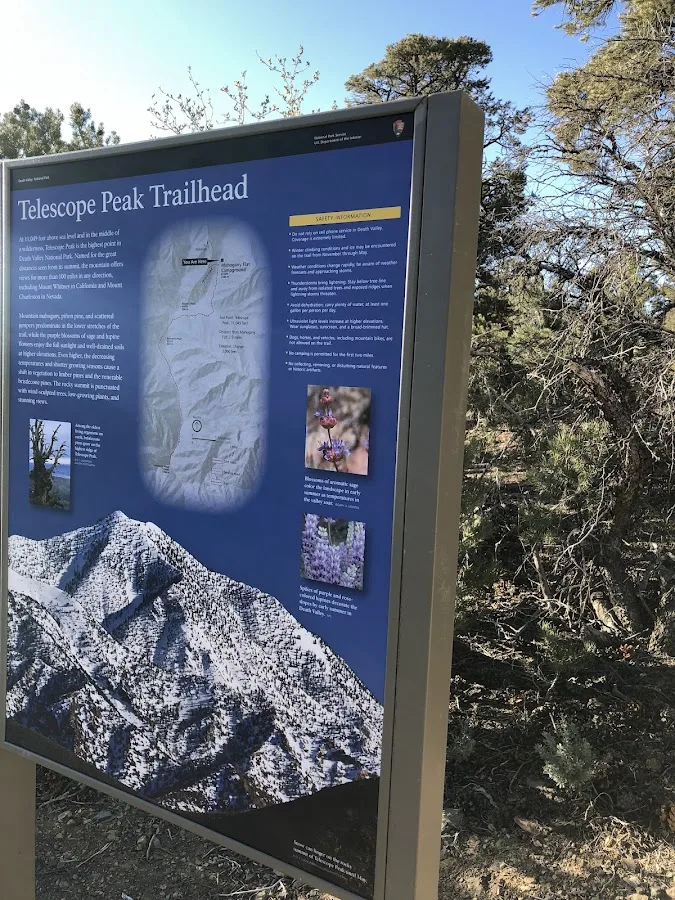
The main hiking draw is Telescope Peak, the park’s highest summit at 11,049 feet. The NPS describes the route as a 14-mile round trip with about 3,000 feet of elevation gain and an estimated seven hours of hiking. It begins at Mahogany Flat and climbs steadily from the start. Those figures make an early departure, a realistic pace, and a clear turnaround plan more important than a hurried summit goal.
High elevation affects exertion even when the air feels cool. Campers should arrive with enough time to settle in, hydrate, and get some rest rather than starting a long hike immediately after a tiring drive. Carry a map and compass in addition to any digital navigation: the park cautions that GPS data for the unmarked route is supplemental. Check the current route description and conditions before leaving camp, and choose another outing if weather, visibility, or energy is not right.
Timing, availability, and a practical packing check
Mahogany Flat is first-come, first-served, not a reservable site. A trip that depends on a particular campsite is therefore uncertain, especially on holidays. Have a backup plan and check current park road and campground conditions before driving the remote route. The park notes that travel on primitive, unpaved roads increases the risk of vehicle breakdowns, exposure to the elements, poor cell service, and lack of water.
Before departure, confirm the road is open; bring drinking water for the full stay and hike; pack food, warm layers, sun protection, navigation, and vehicle recovery essentials appropriate to the route; and plan to carry out all waste. The campground’s quiet, high-country setting rewards self-reliance. For a visitor equipped for the road and the climb, Mahogany Flat can turn a long drive to Telescope Peak into a night beneath the Panamint Mountains. For anyone needing reliable services or easy access, a developed campground elsewhere in the park is the more sensible choice.